Easel Photographs
The Easel Landscape Series
1977–1981
Created when Van Alstine was in the western US, the “Easel Landscape Series” is a site-specific installation project designed to question and examine the accepted convention of frame as “signal” or “sanctioning” device for art. The series takes clues from many sources, including the “on site” plein air paintings of Claude Monet such as the “Haystack” or “Cathedral” series, and surrealist René Magritte in paintings like The Human Condition, where he cleverly presents the viewer with the curious image of a painted canvas on an easel simultaneously in front of a window while acting as a window

1933, oil on canvas, 39 x 32 in. (100 x 81 cm). Collection of the National Gallery of Art, Washington, DC
“Van Alstine’s photos deal with multiple issues germane to the intersection of photography and landscape,” Nicholas Capasso curator at the deCordova Museum wrote in Bones of the Earth; Spirit of the Land – the Sculpture of John Van Alstine, “Their multiple nested frames (easel, photograph, paper mat, and frame) play tricks with perspective cues and collapse or telescope perceived distances, calling into question how the eye and mind perceptually process the landscape via photography.”
The photographs, created before the days of “Photoshop” and easy digital photo manipulation, were shot with a medium format camera. Exhibited at New York’s Marlborough Gallery in 1981 in the exhibit “Color Photography: Five New Views”, ARTFORUM Magazine wrote: “Color photography’s relationship to the other arts is investigated in John Van Alstine’s landscapes. His scenes of majestic Mountains and rolling plains are of the sort made famous not only by the “nature is beautiful” school of black and white photography but also by the plein air school of landscape painting. In Amish Easel Landscape, 1979 and Easel Landscape after Monet, 1980, the landscape contains a steel easel which frames a detail from the same scene. The juxtaposition of “the photograph within the photograph” and “the photograph” gives the image a biting conceptual edge that draws attention to the distinctive ways of seeing that photography and painting each offer”. October issue 1981 with photo.
The work was also exhibited at the Henri Gallery, Washington DC in 1980–81 and was reviewed by Paul Richard of the Washington Post.
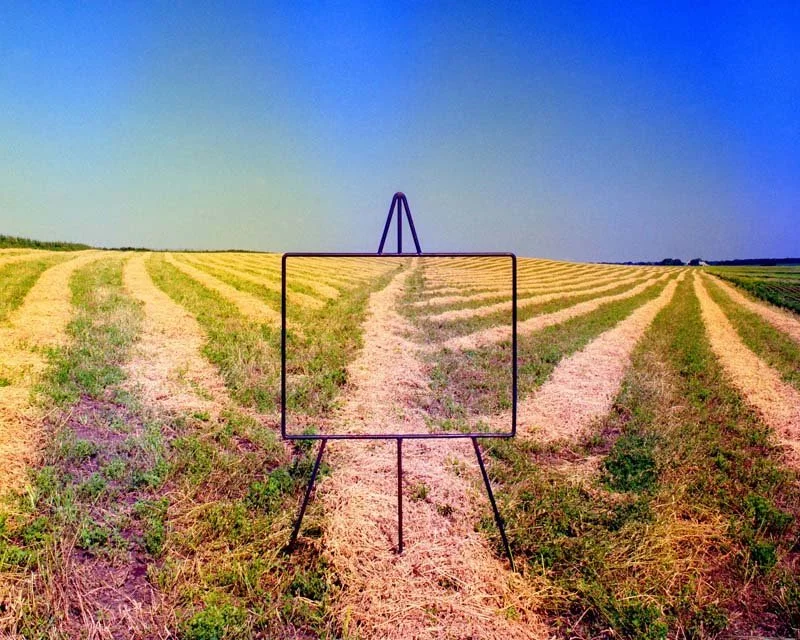
Abstract Easel Landscape, Nebraska
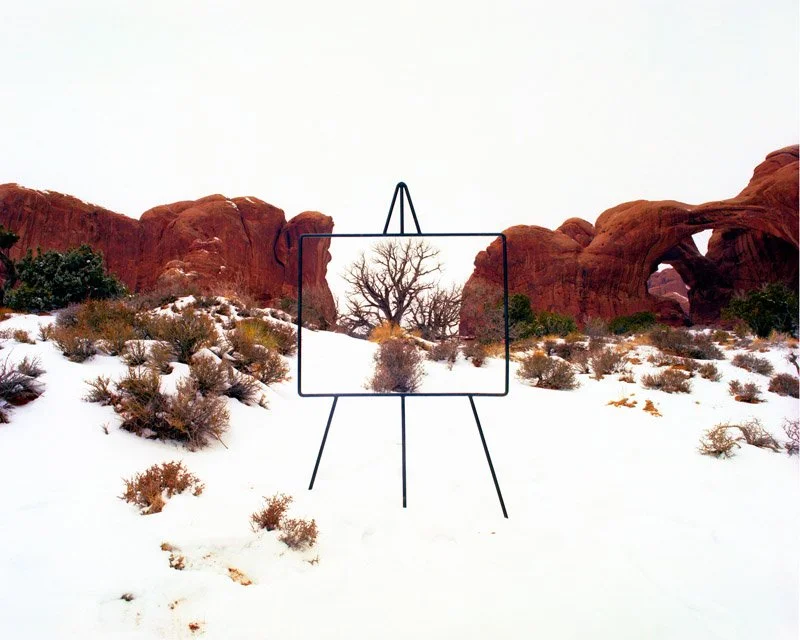
Arches Easel Landscape - tree, Arches National Park, Moab, Utah
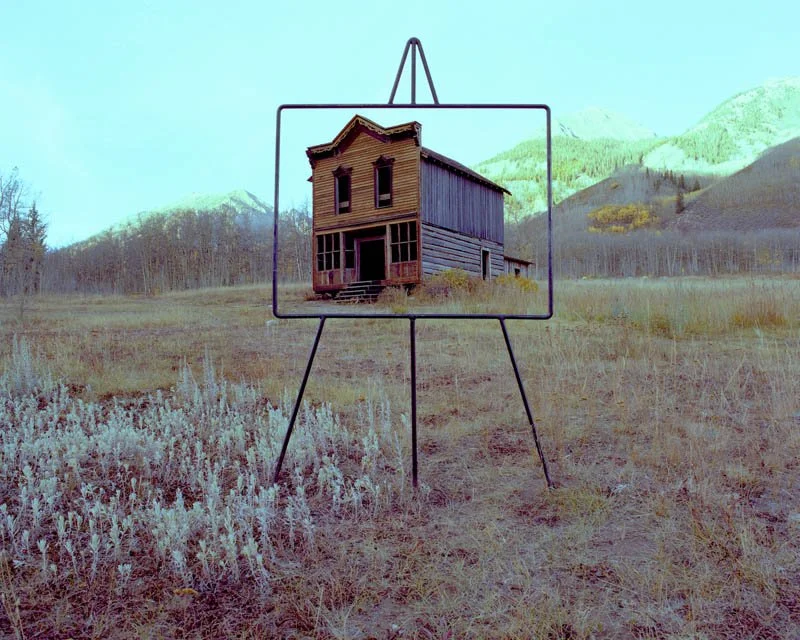
"Ghost Town Easel Landscape", Aschroft , CO, 1978
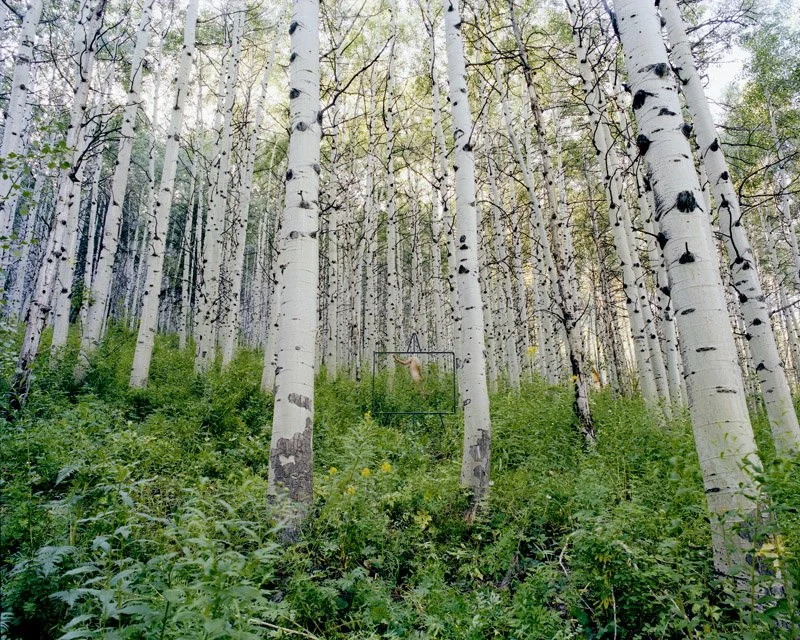
"Easel Landscape with Figure", Aspen, CO, 1980
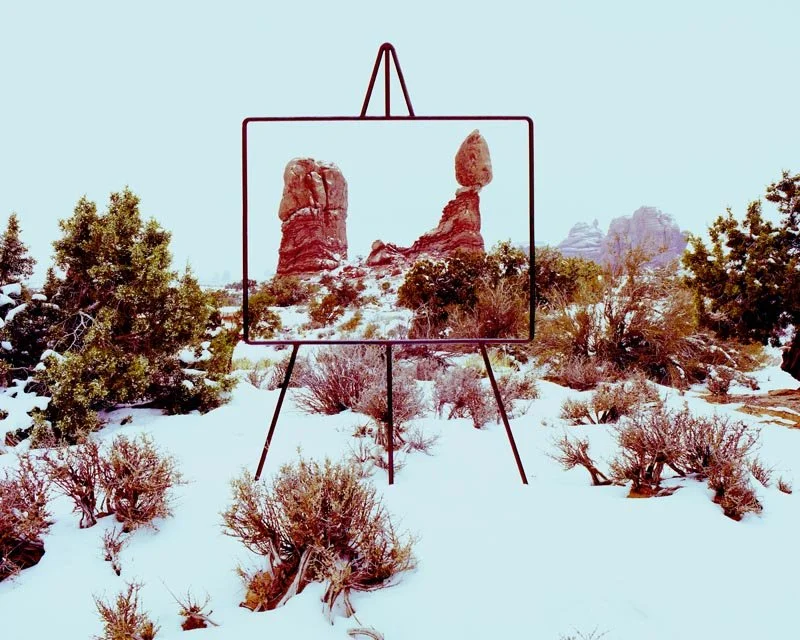
"Balancing Stone" , Arches National Park, Moab, UT, 1980
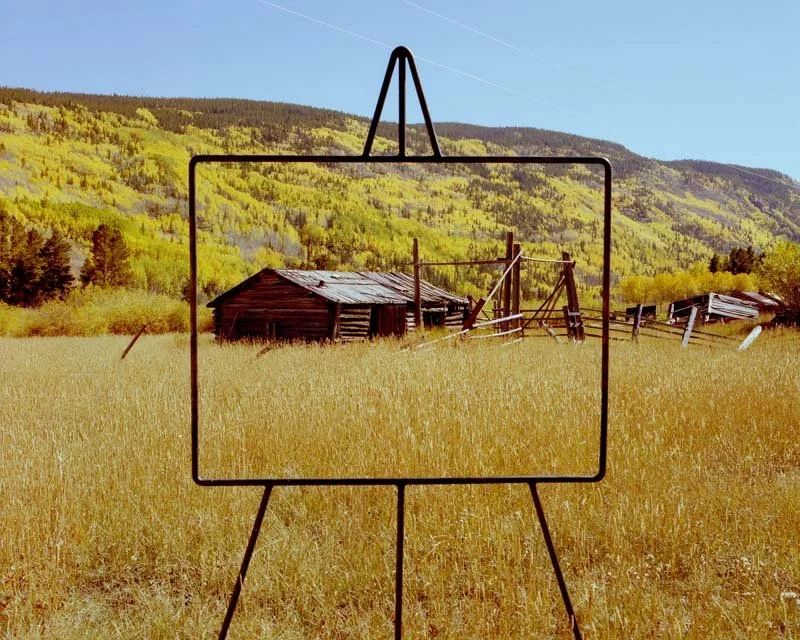
Colorado Ranch, near Aspen, CO, 1979Da
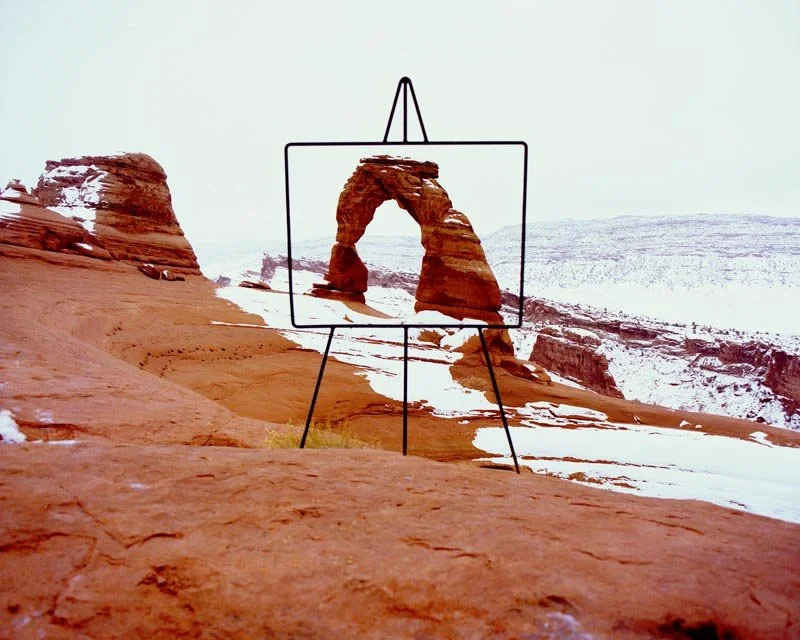
"Delicate Arch". Arches National Park, Moab, UT
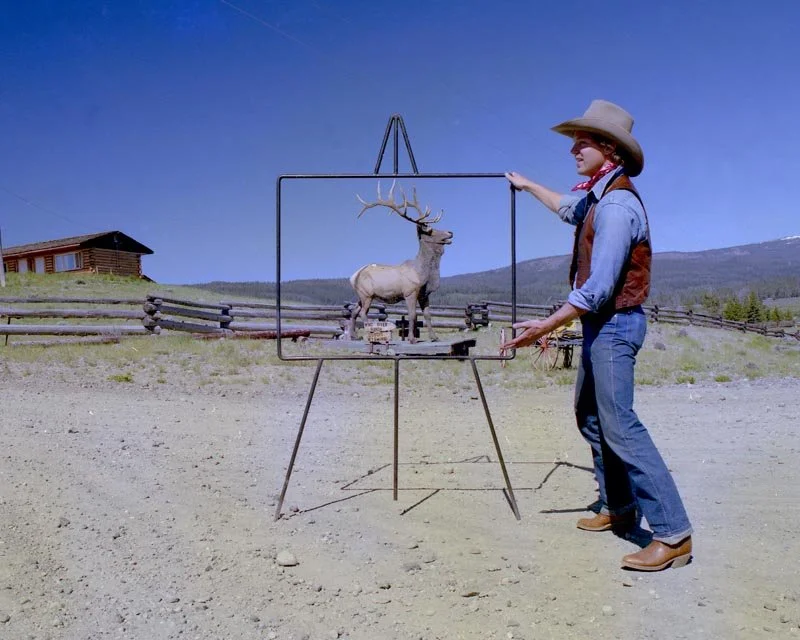
"Cowboy Easel landscape", near DeBois, WY 1979
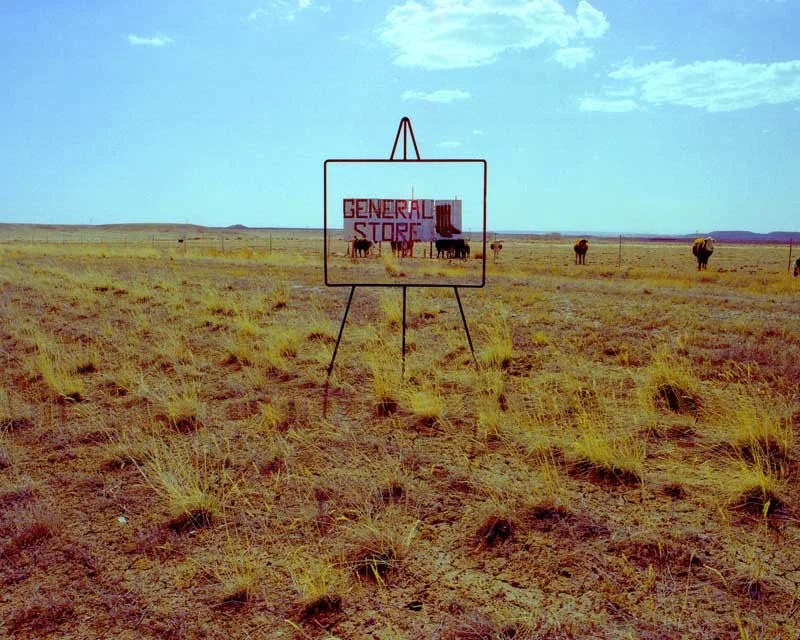
"General Store Easel landscape", near Steamboat Springs, CO, 1979
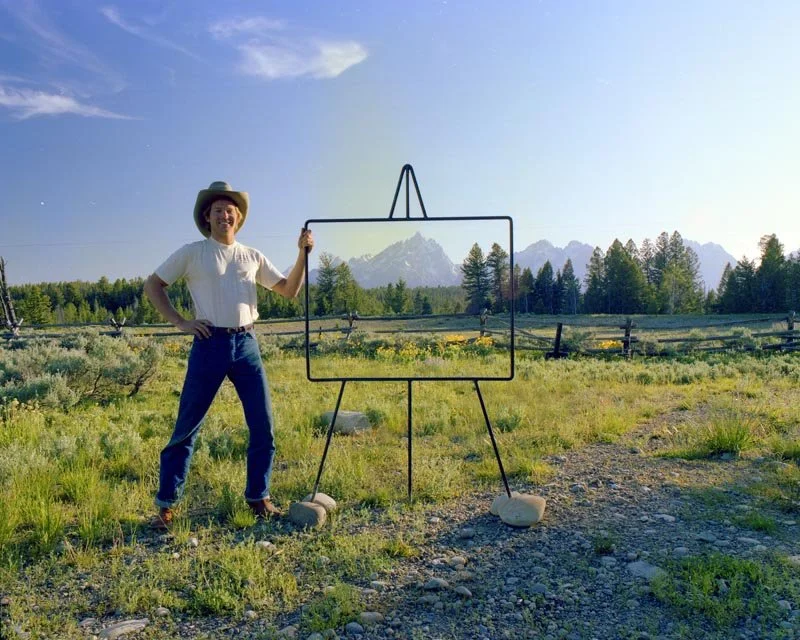
"Teton Easel Landscape with Artist", Teton National Park, WY
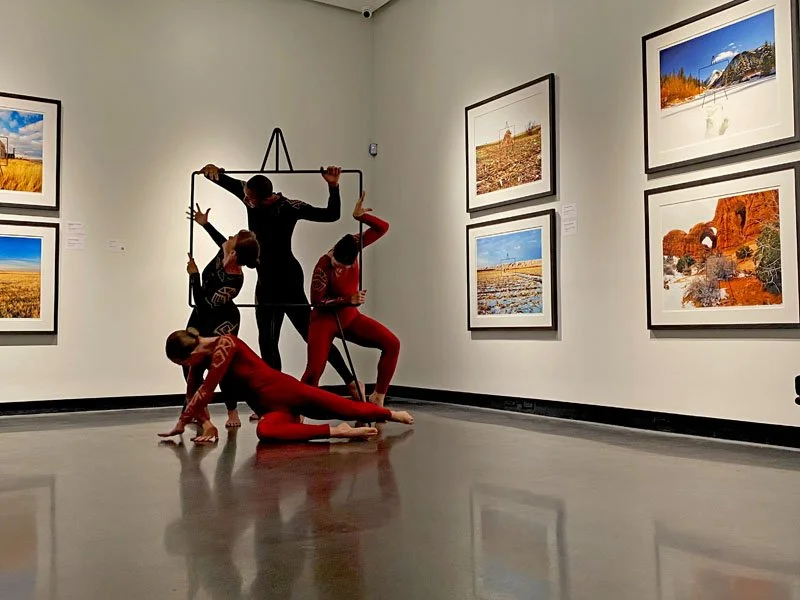
Sinopoli dancers preforming at TRANSFORMATION: The Art of John Van Alstine, exhibition, Hyde Collection August 2022
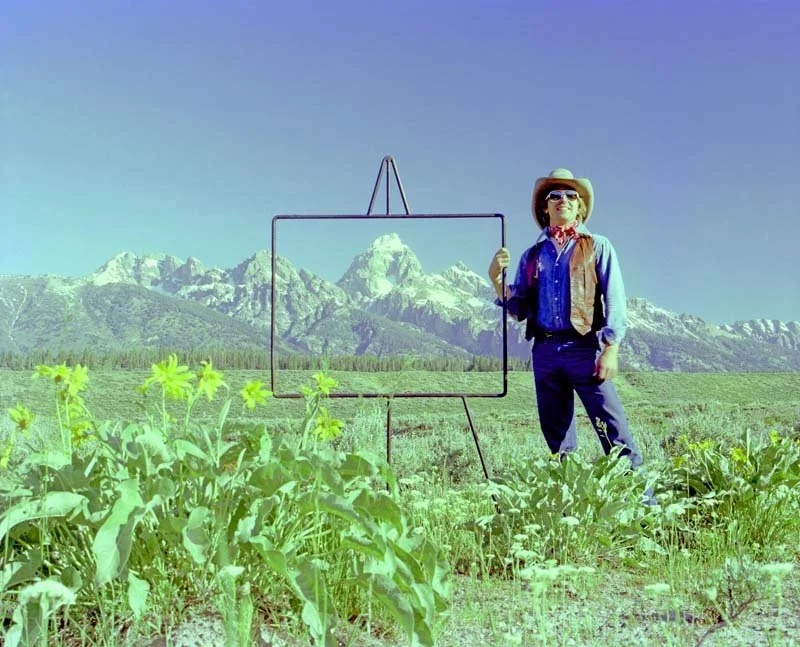
"Teton Easel Landscape with Artist II", Teton National Park, WY, 1979
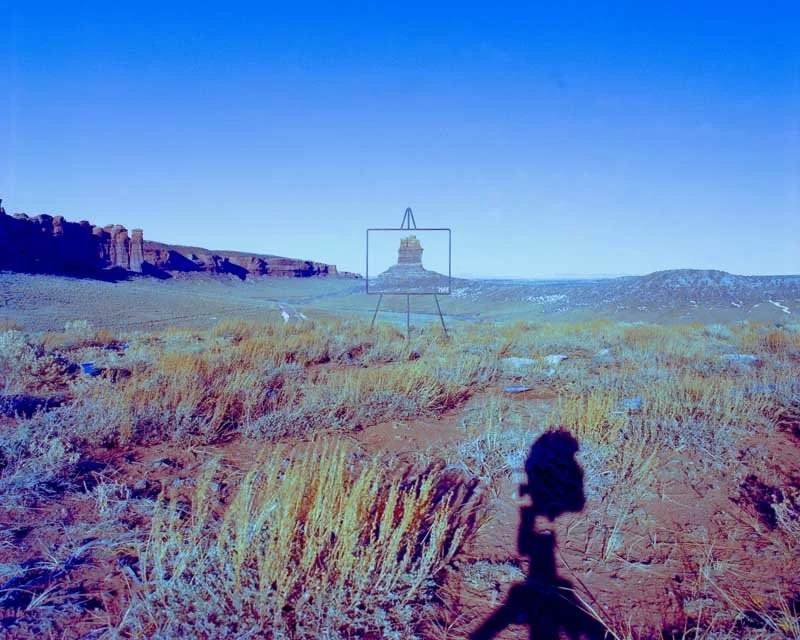
"Colorado Easel Landscape with Shadow", Northern Colorado, 1979
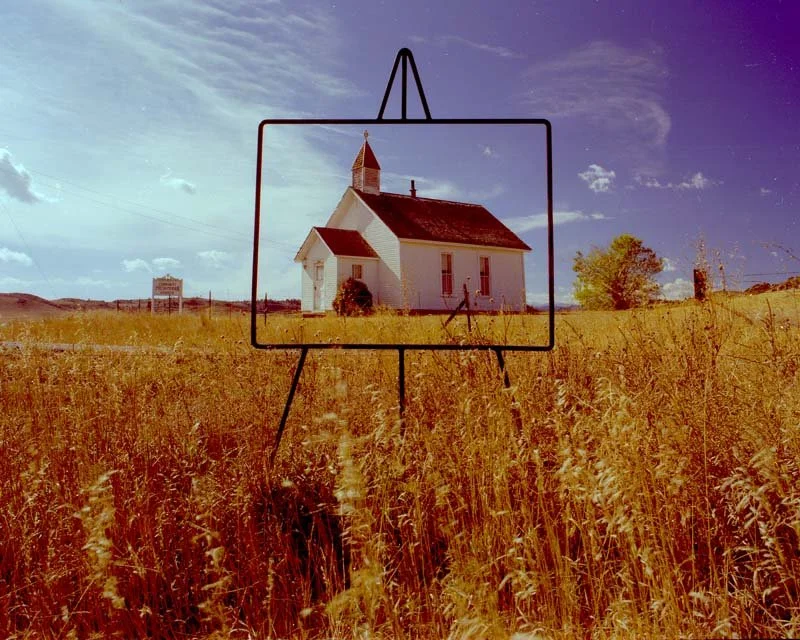
Community Presbyterian Church, Virginia Dale, CO 1979
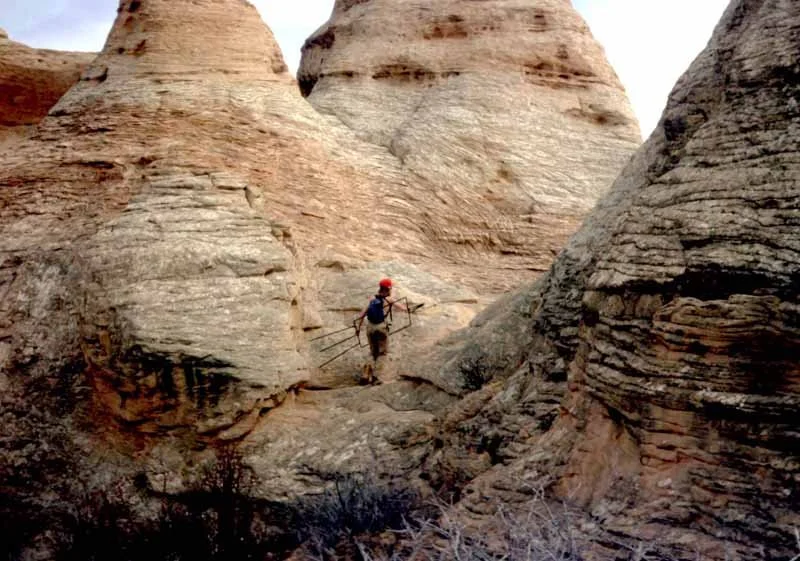
Van Alstine with Steel easel near Laramie, Wyoming 1979
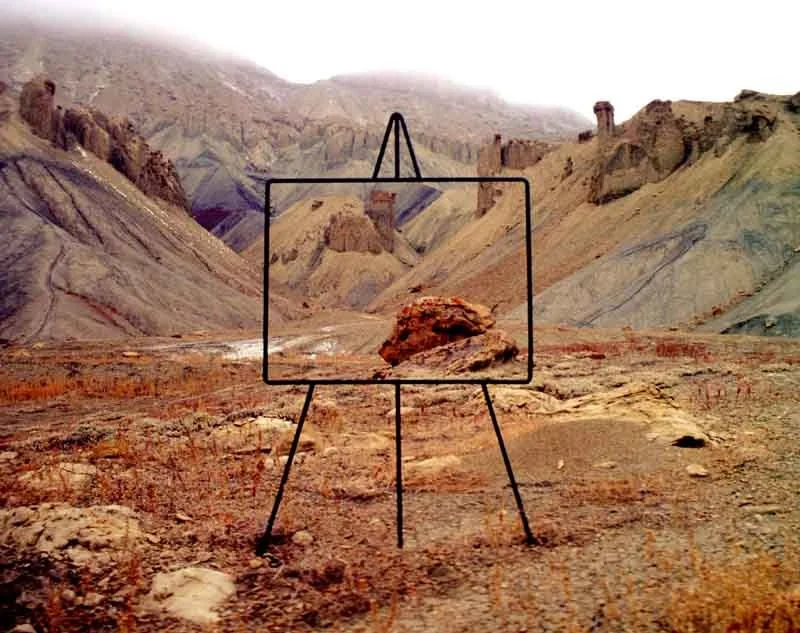
Grand Junction Easel Landscape , Grand Junction, CO
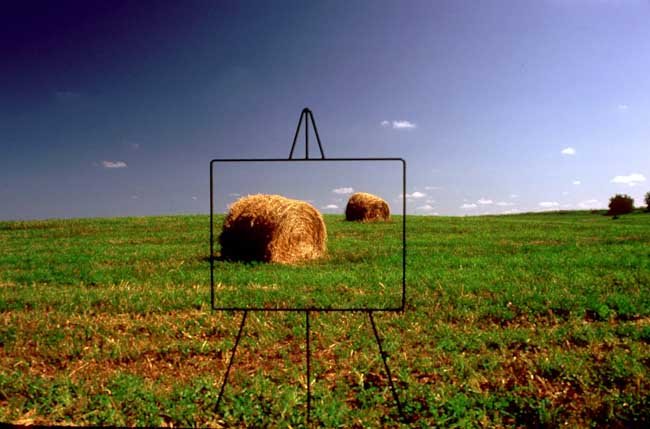
Monet Easel landscape, 1979
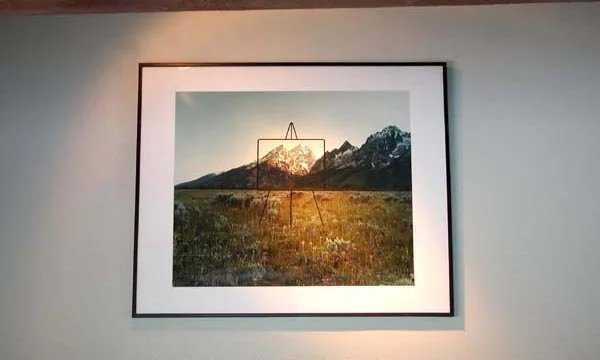
photo size 24 x30" Framing and matting designed to emphasize the frame within a frame within a frame All proportions are the standard 8x10 ratio.
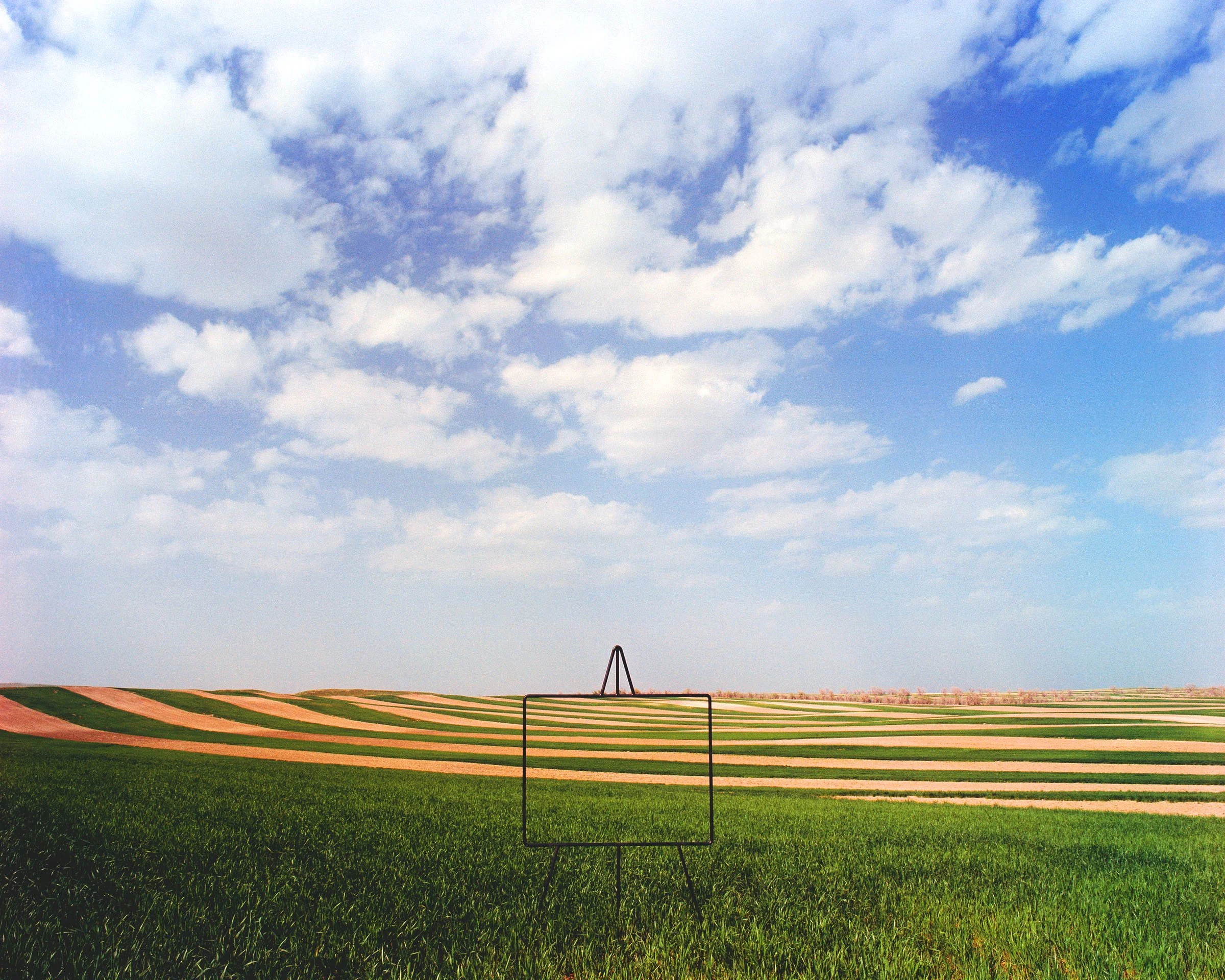
Abstract Easel Landscape, Iowa
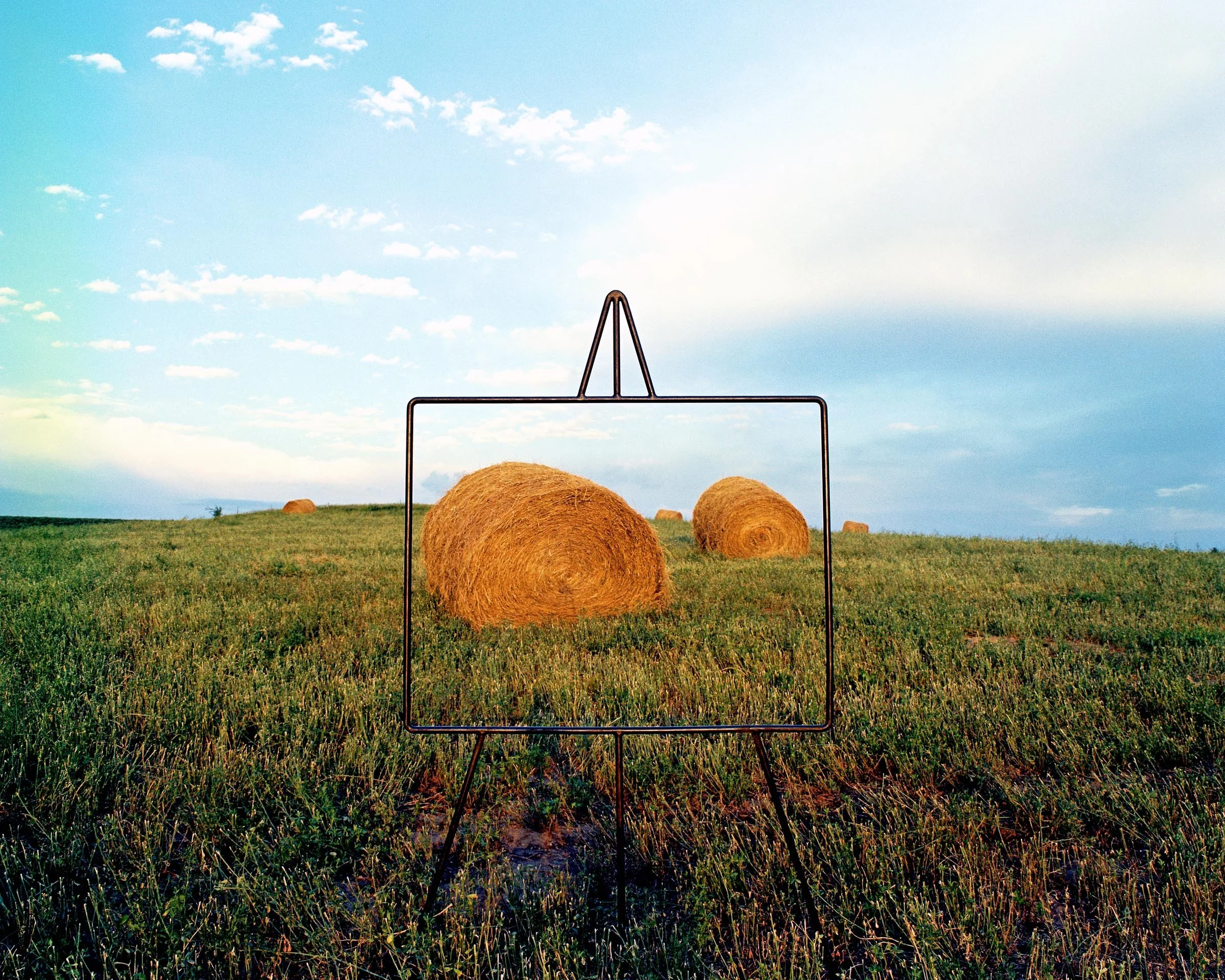
Monet Easel Landscape, Iowa
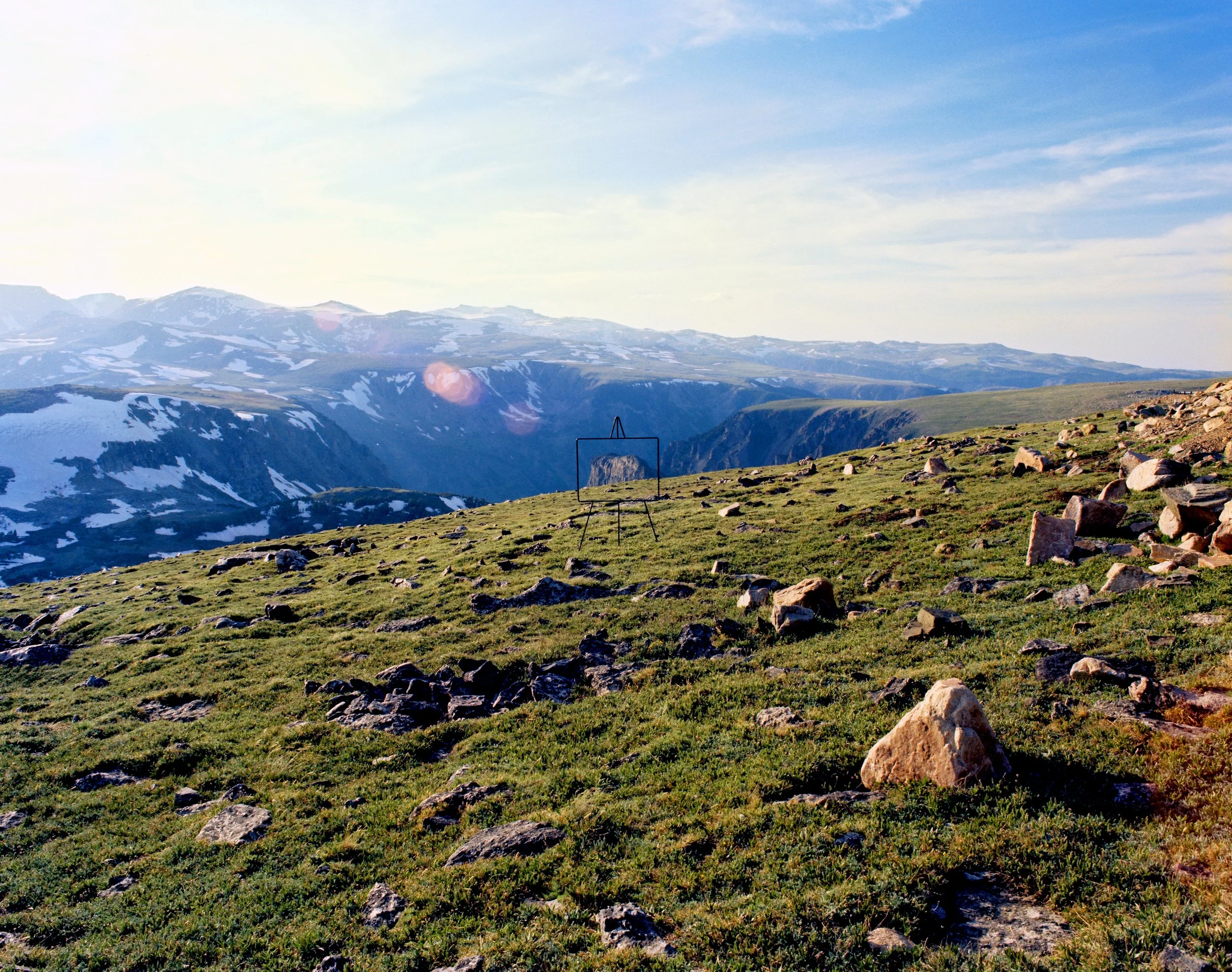
Estes Park Easel Landscape, Estes National Park, Colorado
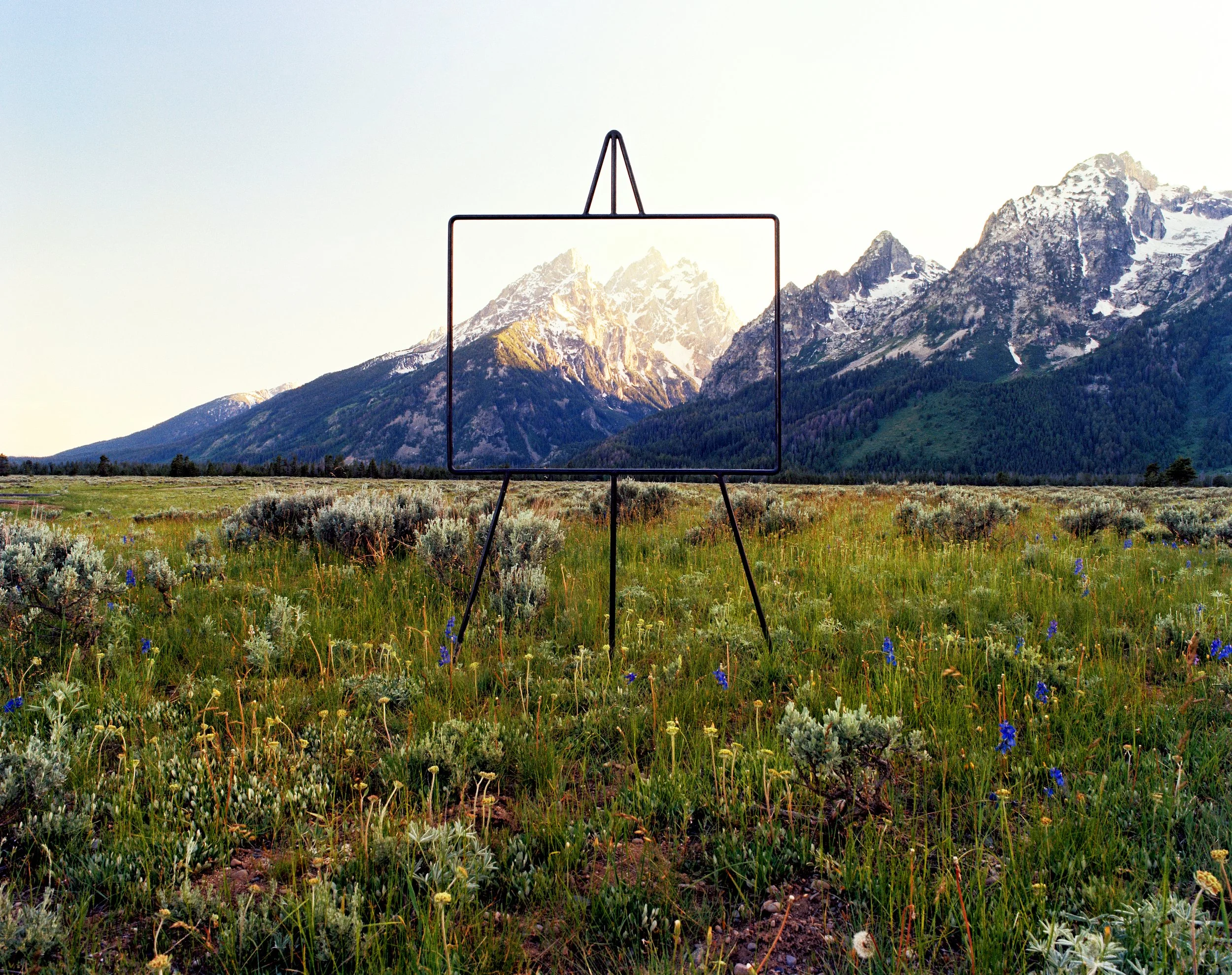
Teton Easel Landscape, Teton National Park, Wyoming
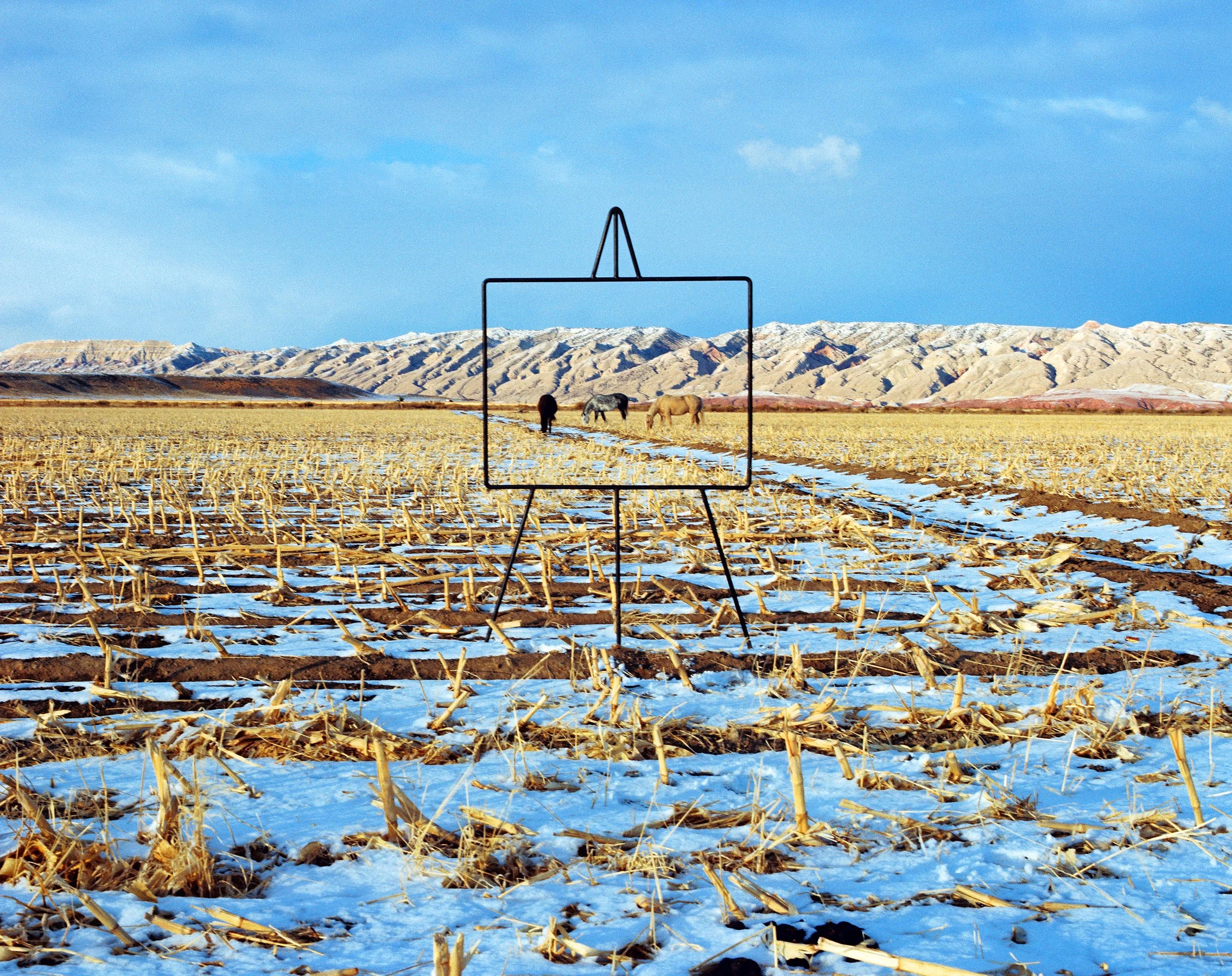
Wyoming Easel Landscape , near Gillette, Wyoming
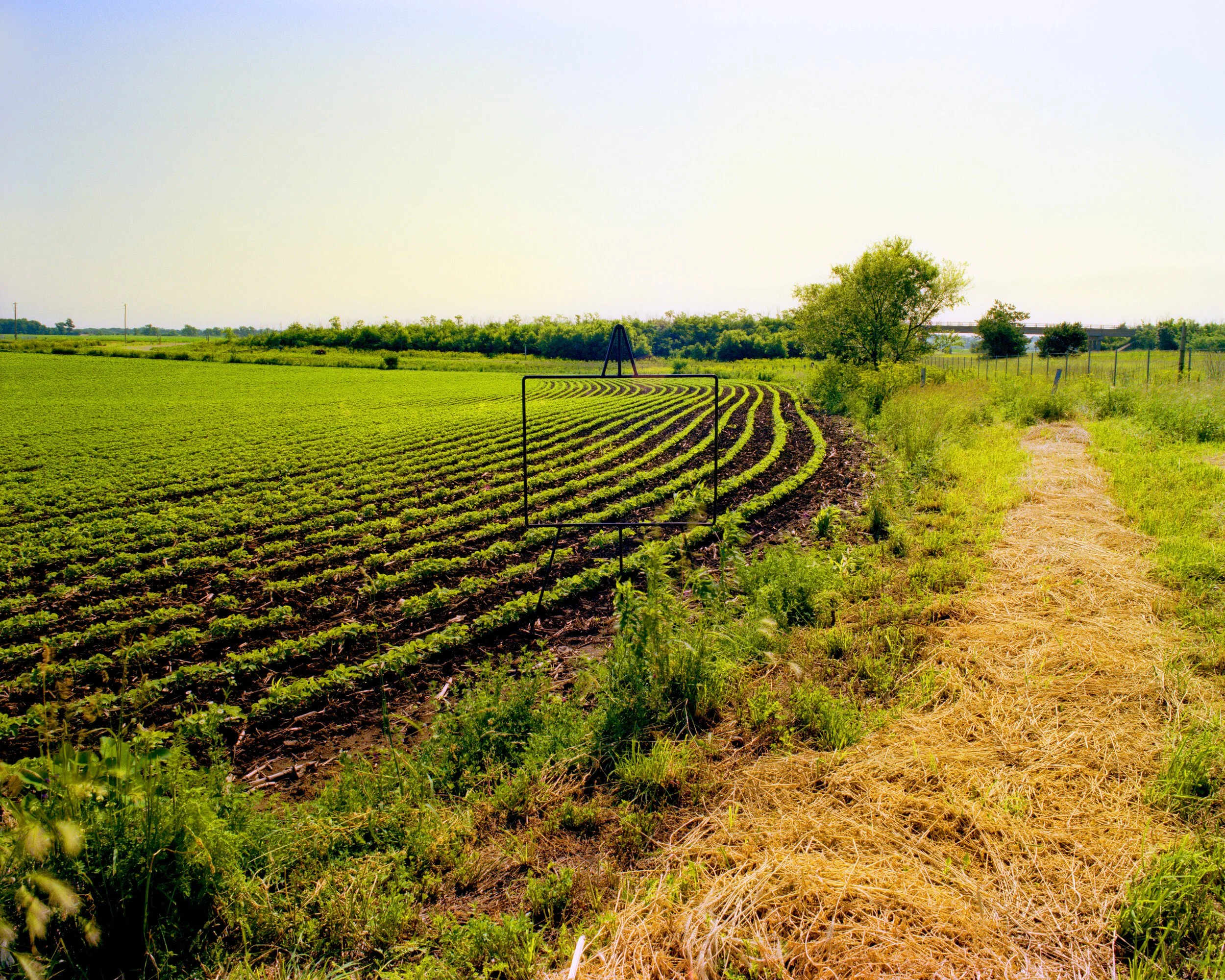
Abstract Easel Landscape (soybeans), Iowa
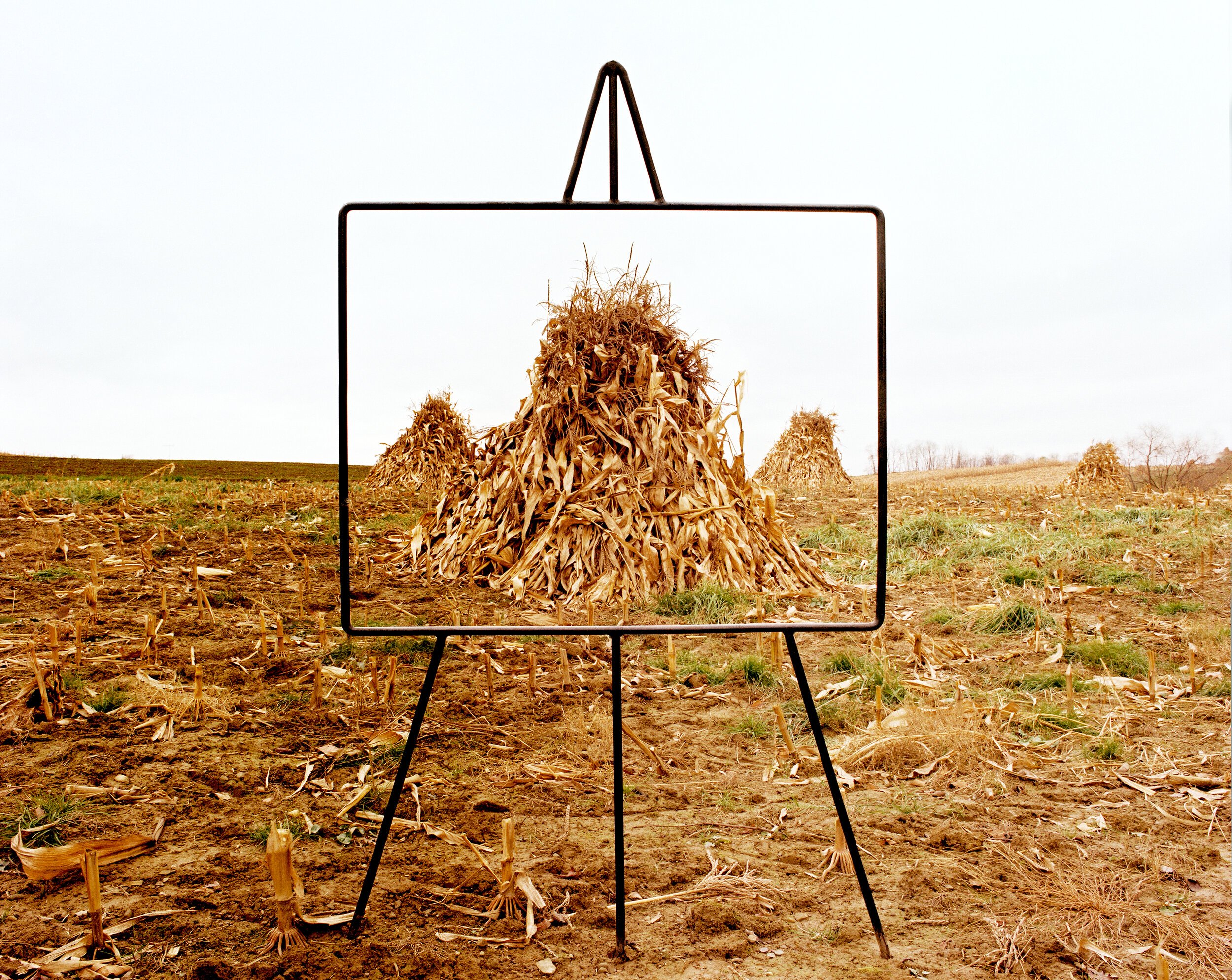
Amish Easel Landscape, Lancaster, PA
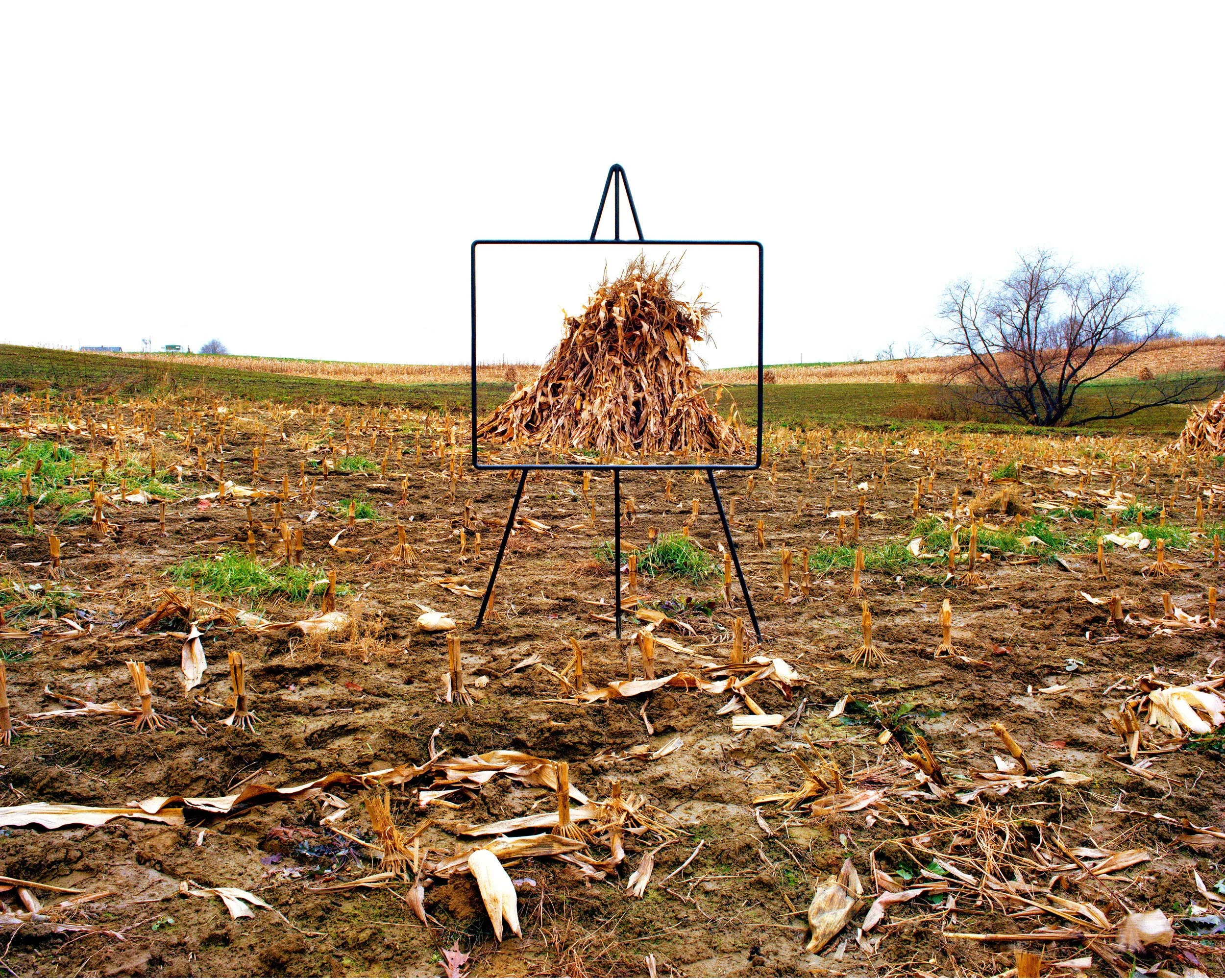
Amish Easel Landscape II, near Lancaster, PA
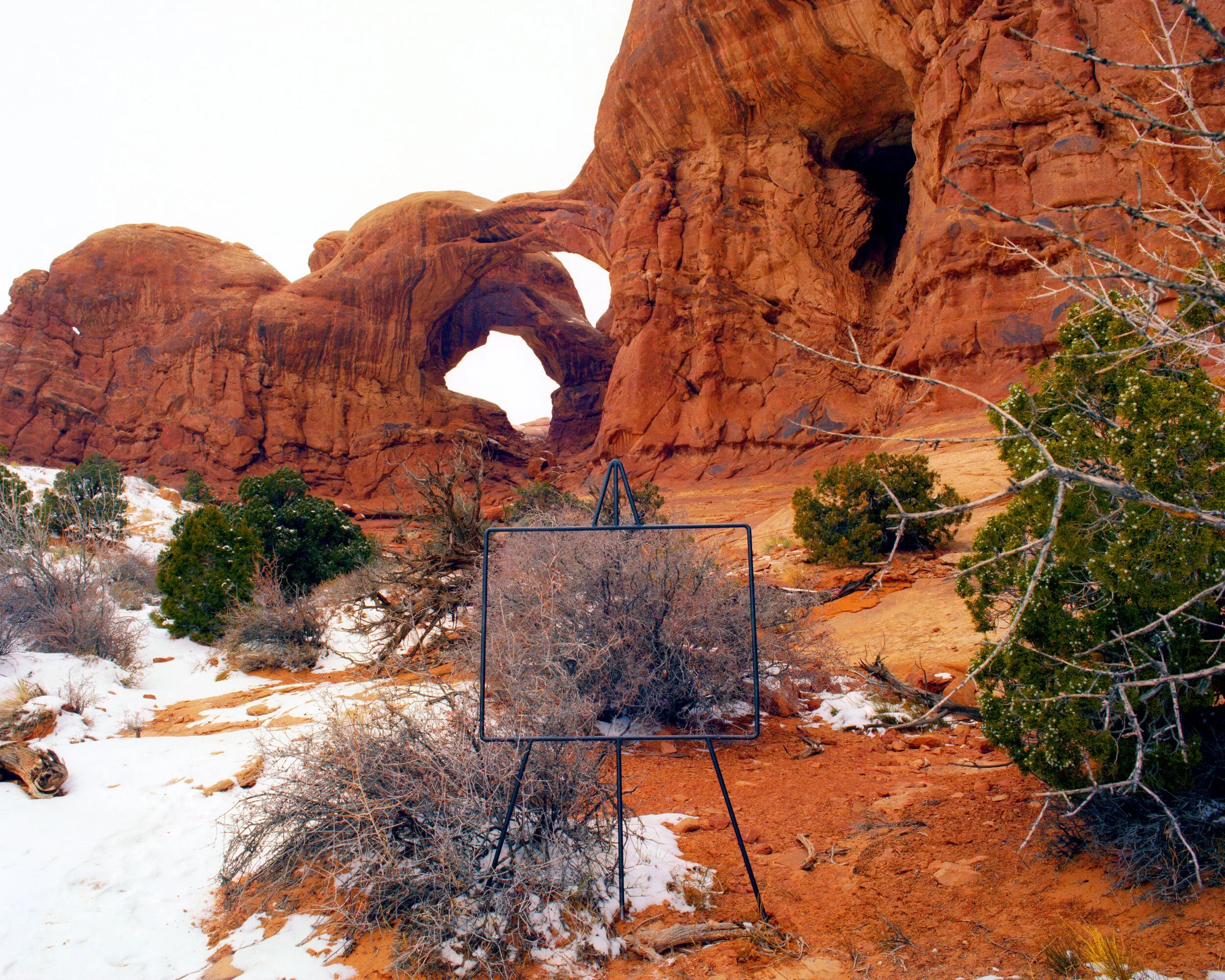
Arches Easel Landscape, homage to Jackson Pollock , Arches National Park, Moab, UT
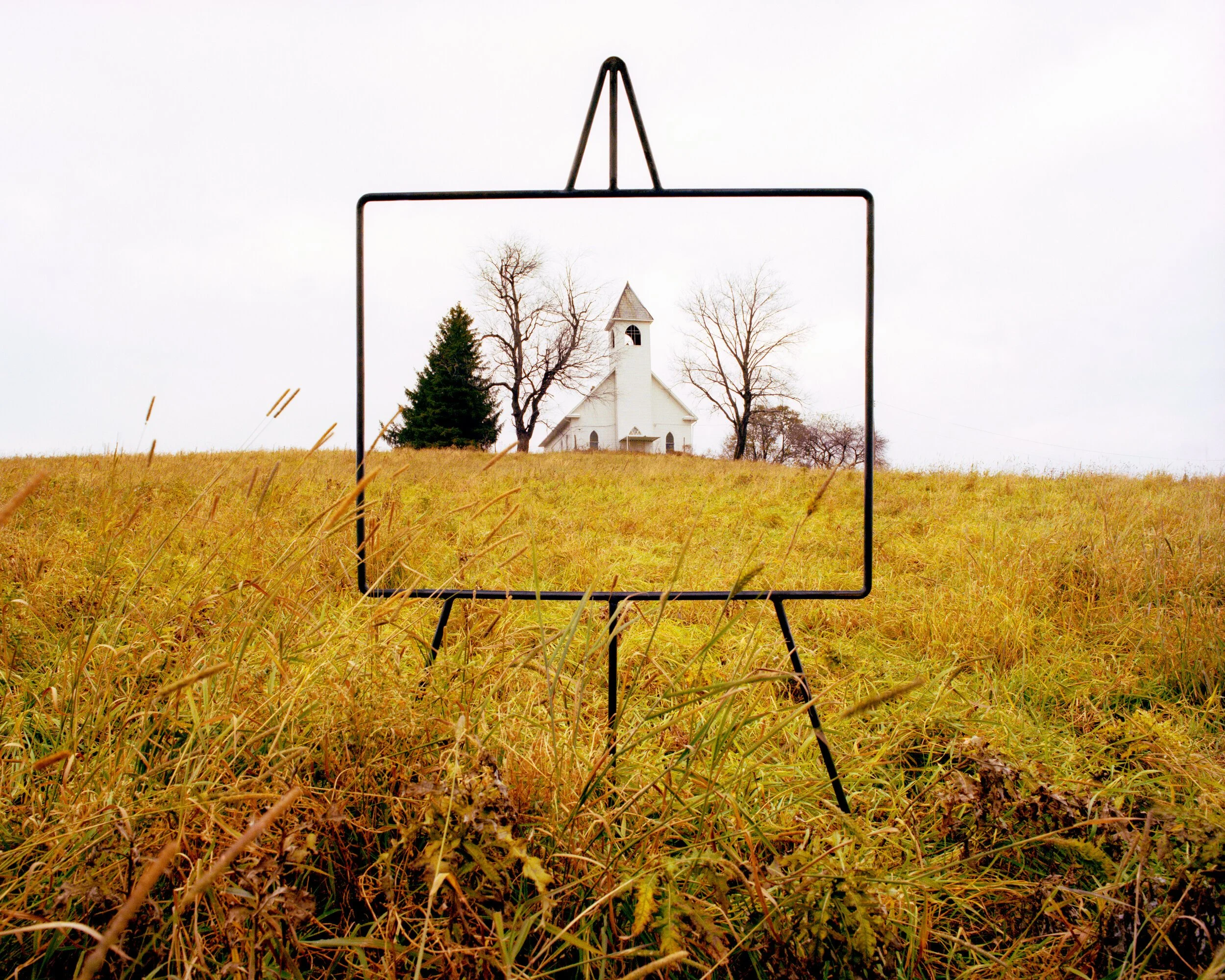
Pennsylvania Easel Landscape, near Lancaster, PA
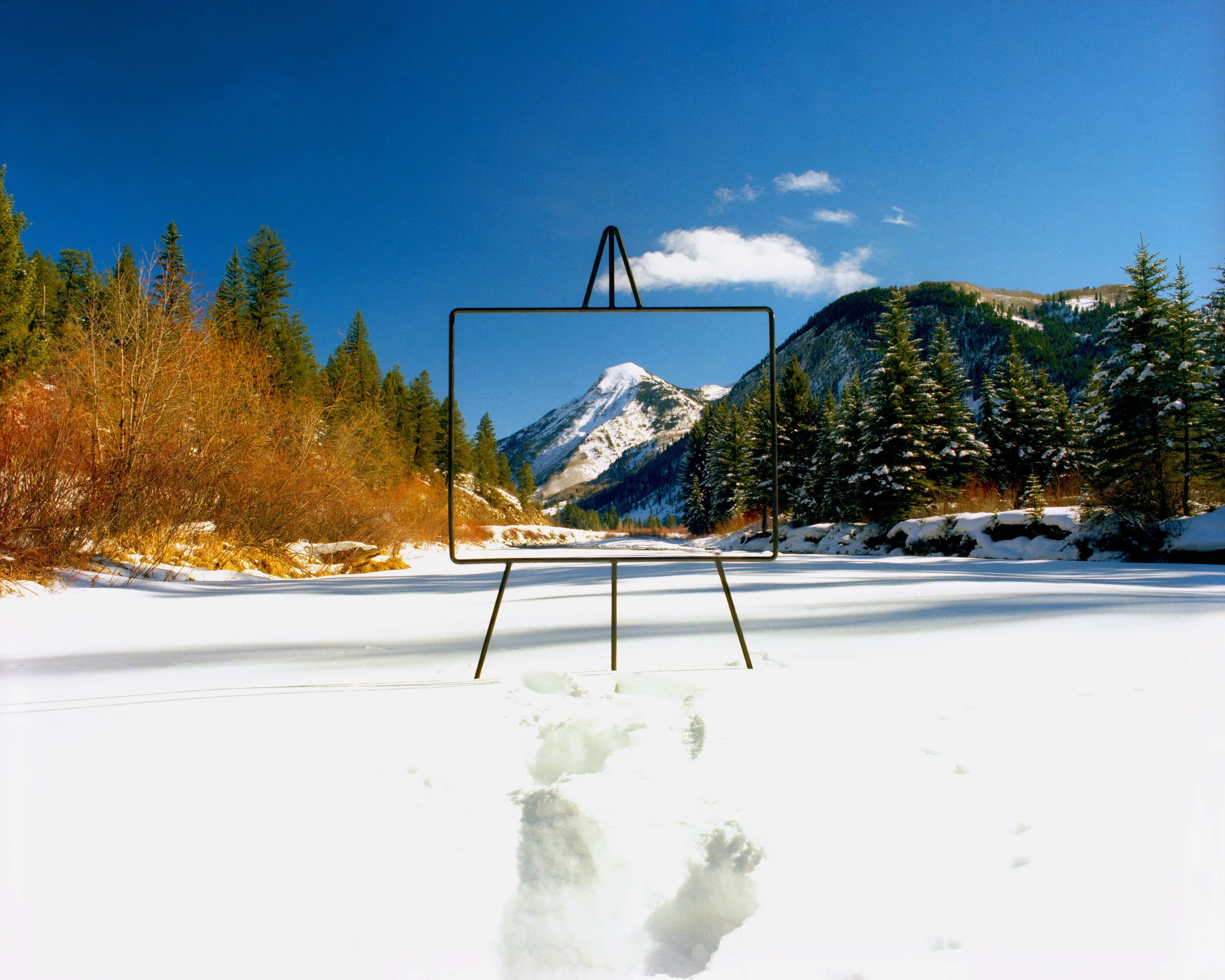
Colorado Easel Landscape , near Marble, CO
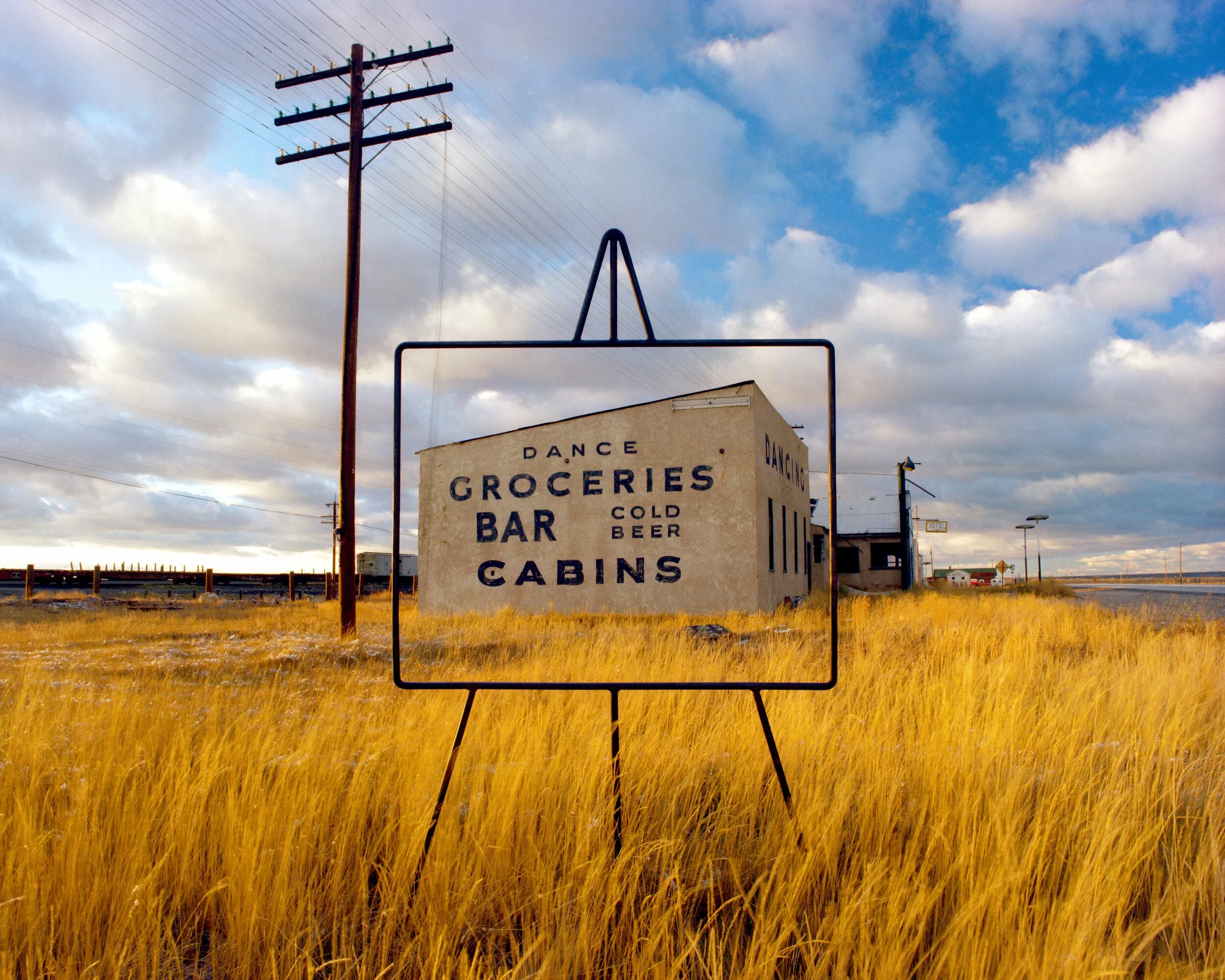
Dance Hall Easel Landscape , Bosler, Wyoming
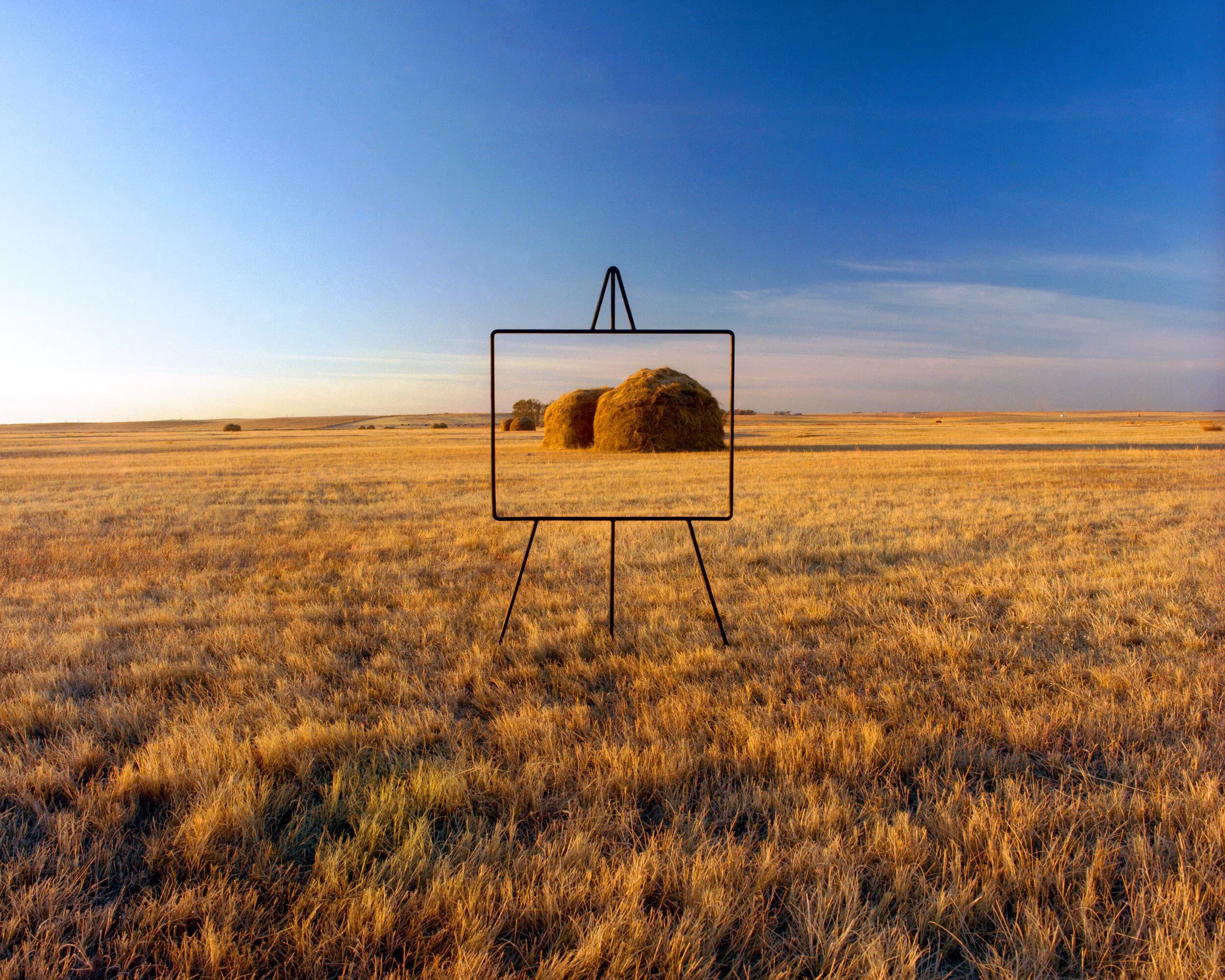
Monet Easel Landscape , Eastern Wyoming
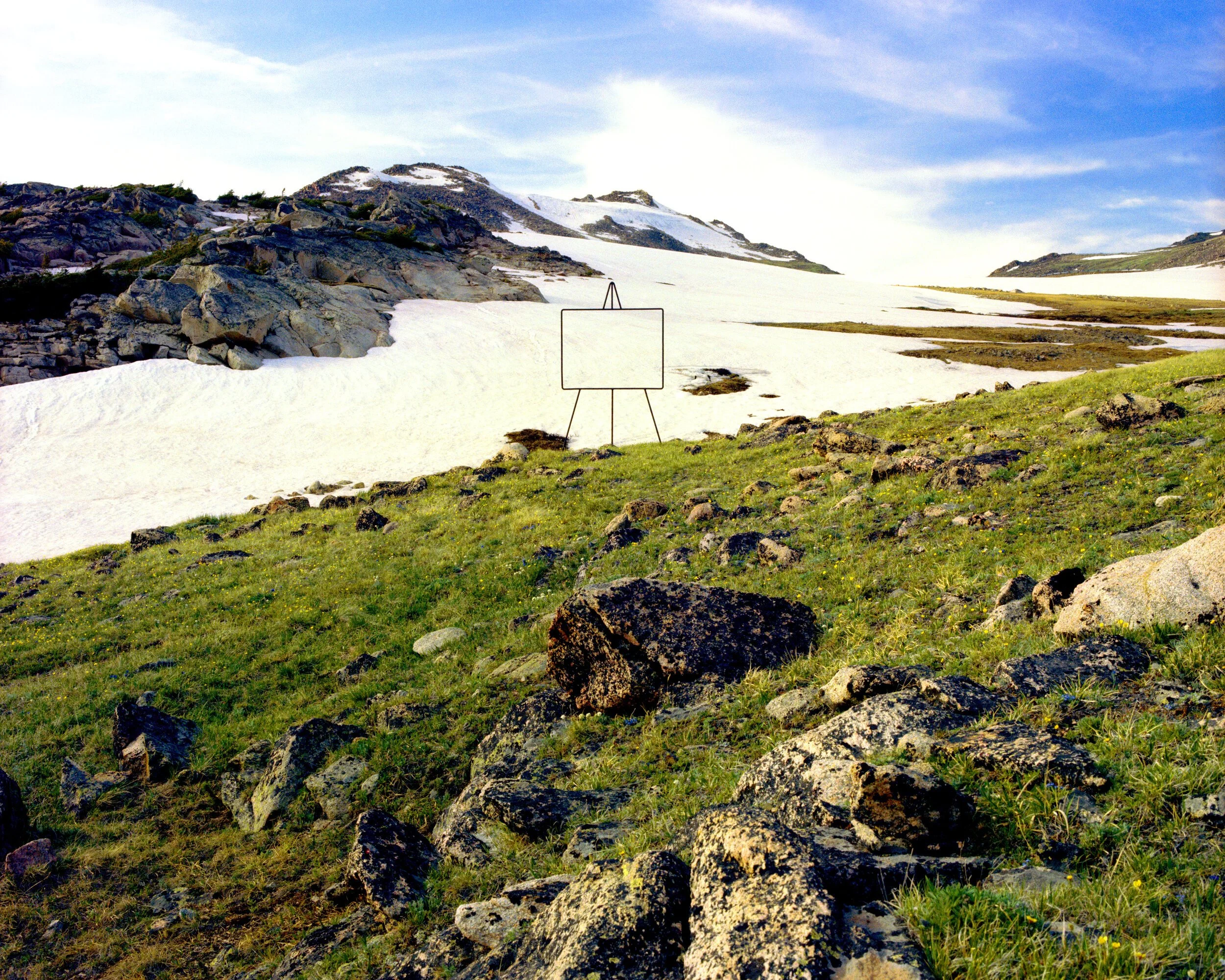
Untitled Easel Landscape , Beartooth Pass, Montana - approaching north entrance to Yellowstone National Park
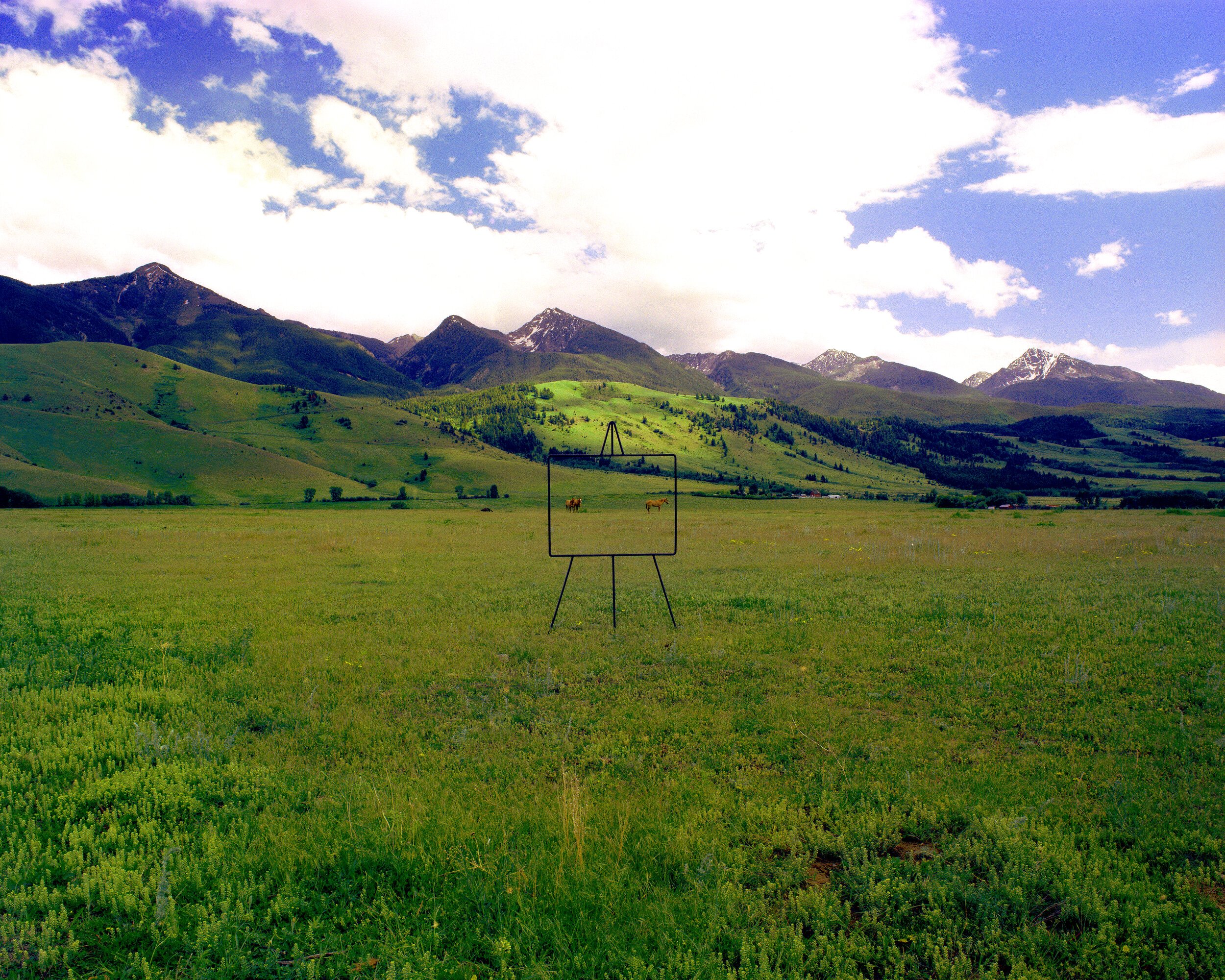
Montana Easel Landscape , near Bozeman, MT
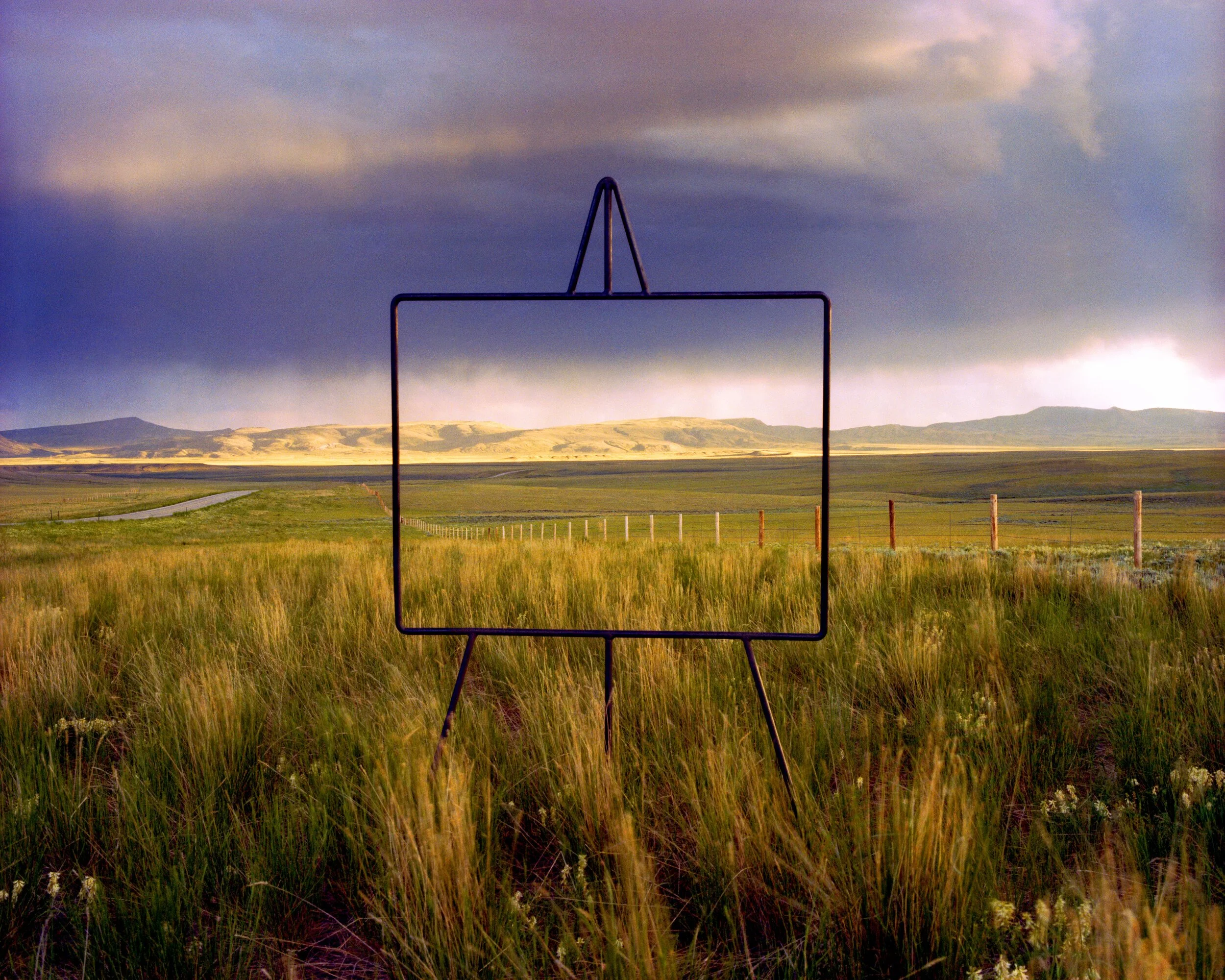
Wyoming Easel Landscape - fence , Shirley Basin, Wyoming