Odalisque I (S-89-28)

$0.00
sold out

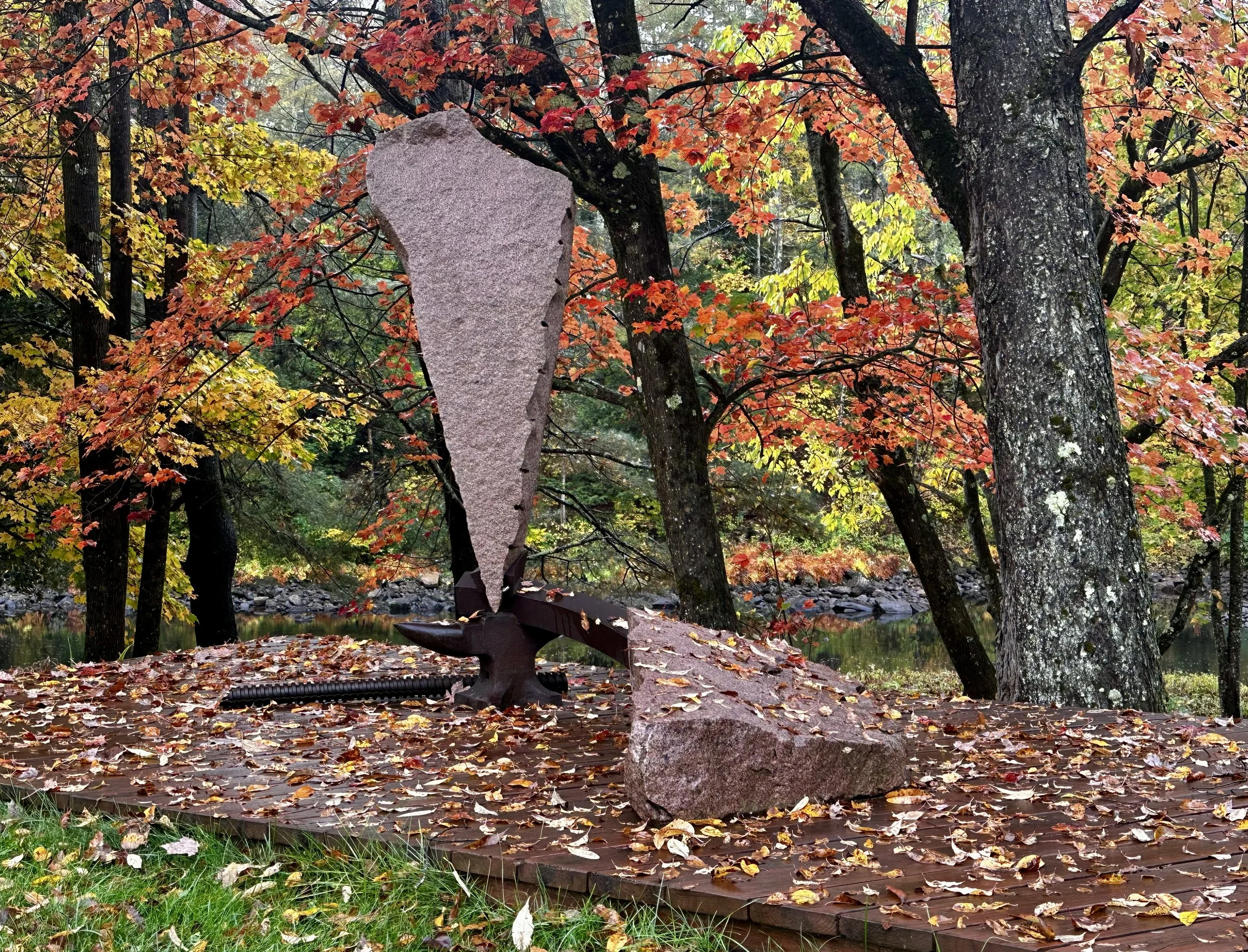
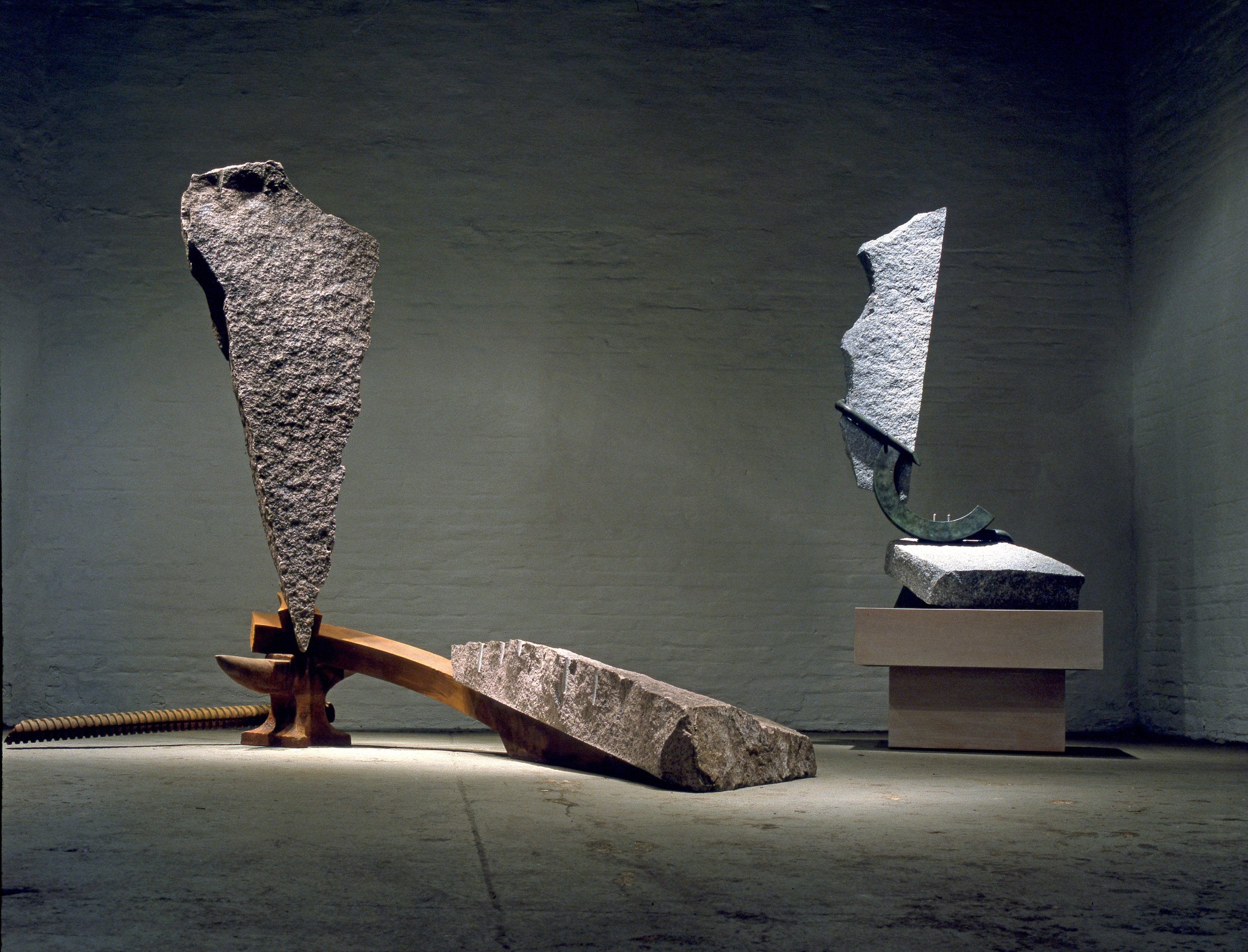
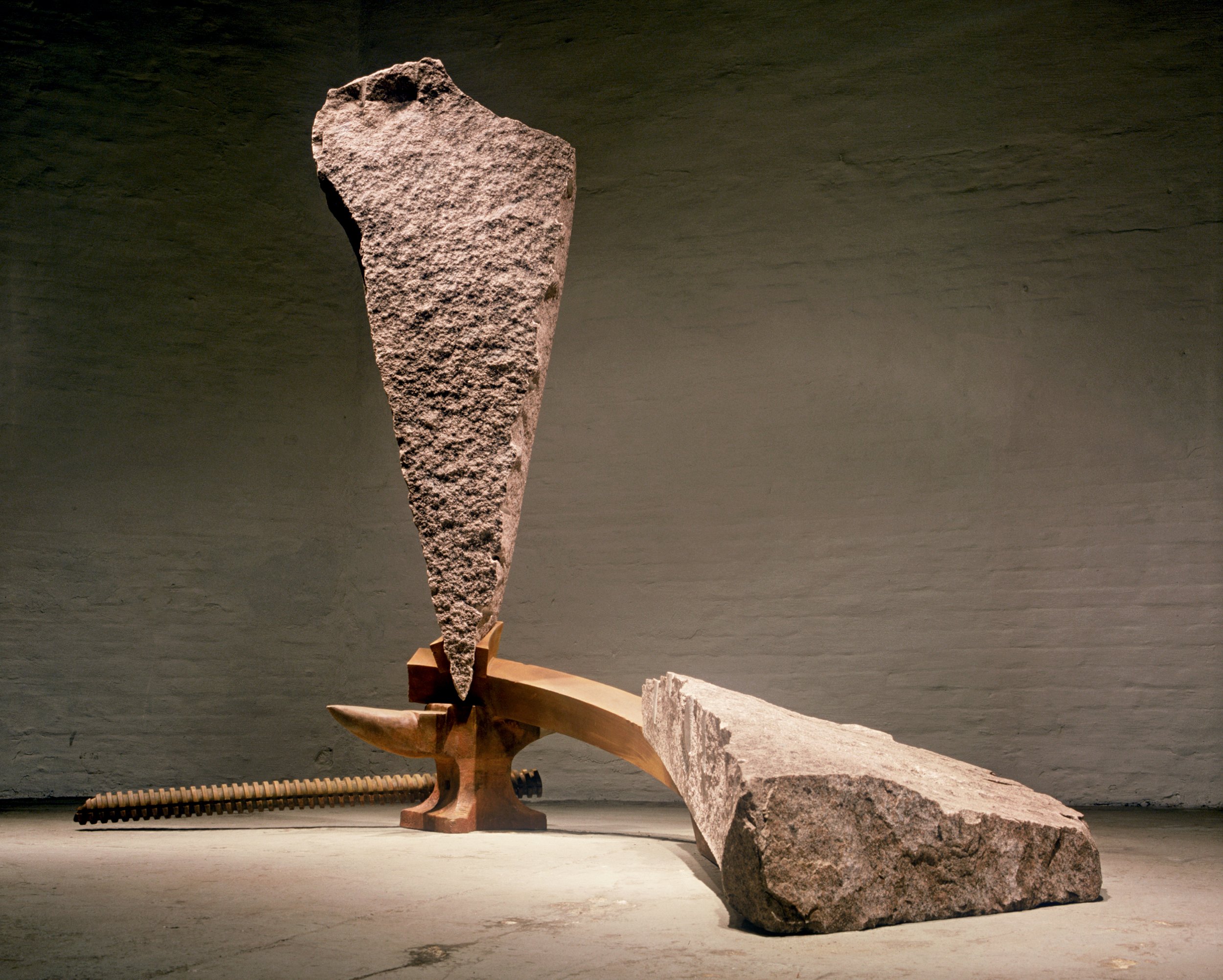
December 1989. Granite, steel. Dimensions: 81 × 98 × 60 in (206 × 249 × 152 cm).

The title Odalisque refers to a long tradition in Western art in which the reclining female figure has served as a vehicle for exploring beauty, proportion, and the expressive possibilities of the human form. From Titian and Ingres to Matisse, Picasso, and Henry Moore, artists have continually reinterpreted this enduring subject, each bringing a new perspective to the relationship between figure and abstraction.

For many years, the landscape was my primary source of inspiration. Gradually I came to see the human figure as another kind of landscape—one shaped by gravity, balance, movement, and gesture. Rather than creating a literal representation, Odalisque I suggests the body through the abstract dialogue of granite and steel. Existing somewhere between recognition and ambiguity, the sculpture invites viewers to complete the image through their own imagination. It marked the beginning of an exploration that continues throughout my work, where the figure emerges not through anatomy, but through balance, rhythm, and the expressive relationship between natural and fabricated materials.

John Van Alstine

December 1989. Granite, steel. Dimensions: 81 × 98 × 60 in (206 × 249 × 152 cm).

The title Odalisque refers to a long tradition in Western art in which the reclining female figure has served as a vehicle for exploring beauty, proportion, and the expressive possibilities of the human form. From Titian and Ingres to Matisse, Picasso, and Henry Moore, artists have continually reinterpreted this enduring subject, each bringing a new perspective to the relationship between figure and abstraction.

For many years, the landscape was my primary source of inspiration. Gradually I came to see the human figure as another kind of landscape—one shaped by gravity, balance, movement, and gesture. Rather than creating a literal representation, Odalisque I suggests the body through the abstract dialogue of granite and steel. Existing somewhere between recognition and ambiguity, the sculpture invites viewers to complete the image through their own imagination. It marked the beginning of an exploration that continues throughout my work, where the figure emerges not through anatomy, but through balance, rhythm, and the expressive relationship between natural and fabricated materials.

John Van Alstine

Jean-Auguste-Dominique INGRES (Montauban, 1780 - Paris, 1867)

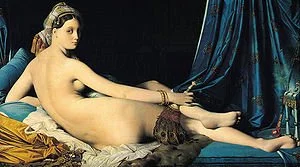
La Grande Odalisque - 1814

Ingres transposed the theme of the mythological nude, whose long tradition went back to the Renaissance, to an imaginary Orient. This work, his most famous nude, was commissioned by Caroline Murat, Napoleon's sister and the queen of Naples. Here, Ingres painted a nude with long, sinuous lines bearing little resemblance to anatomical reality, but rendered the details and texture of the fabrics with sharp precision. This work drew fierce criticism when it was displayed at the Salon of 1819.

Discreetly seductive

This woman lying on a divan is offering herself because she is nude and turns her face towards us. The painting's title, which means "harem woman," and the accessories around her conjure up the sensuous Orient. But the woman is also discreet because she shows only her back and part of one breast. The nude was a major theme in Western art, but since the Renaissance figures portrayed in that way had been drawn from mythology; here Ingres transposed the theme to a distant land. The subject of the odalisque fascinated Boucher in the eighteenth century and was later chosen as a theme by Théodore Chassériau (1819-1856), one of Ingres's pupils. Throughout his career, many of Ingres's works feature Orientalist themes, such as The Turkish Bath (Louvre), which he painted towards the end of his life. The female nude, historical scenes, and the portrait were Ingres's favorite genres.