 Image 1 of 4
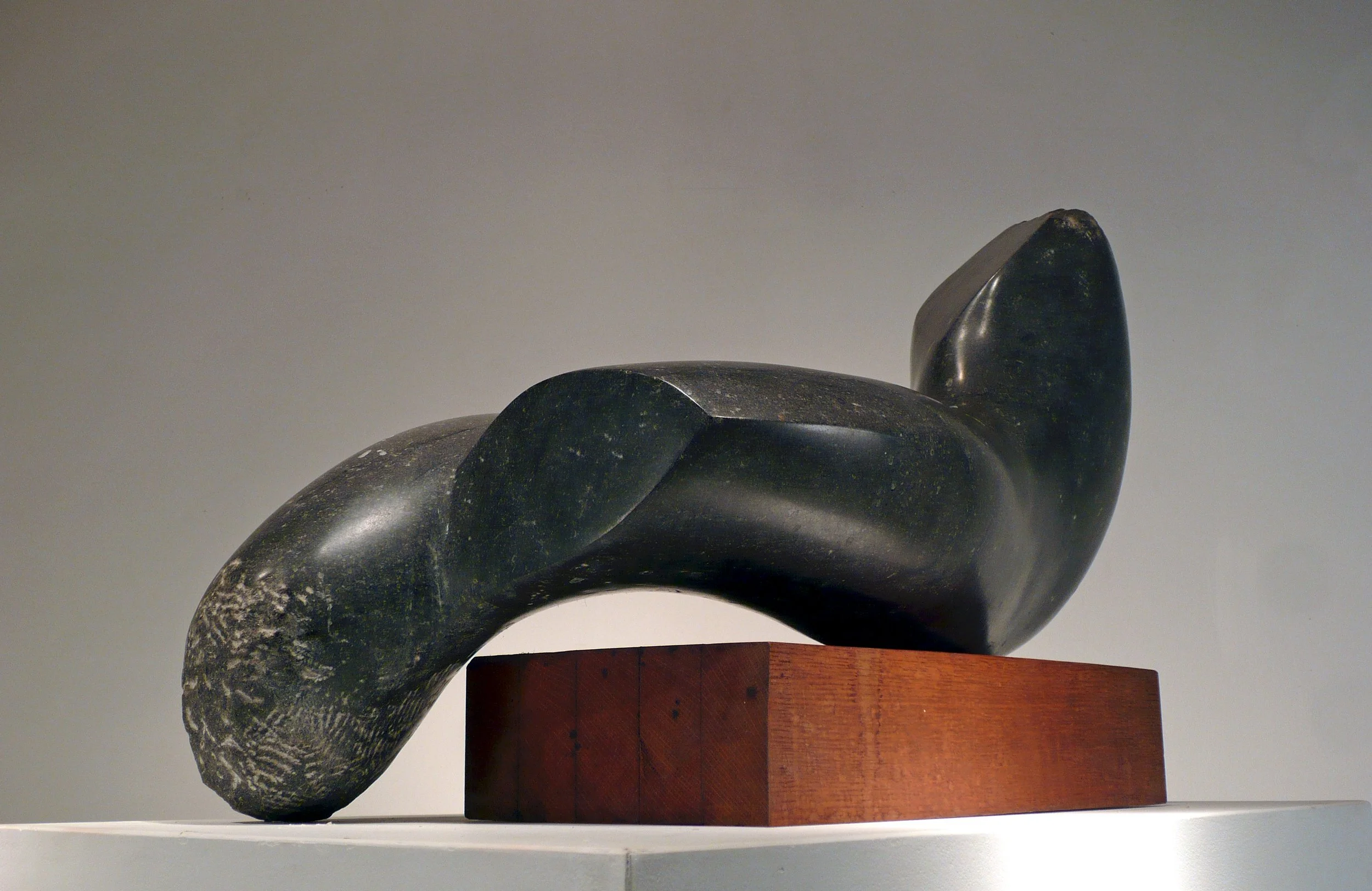 Image 2 of 4
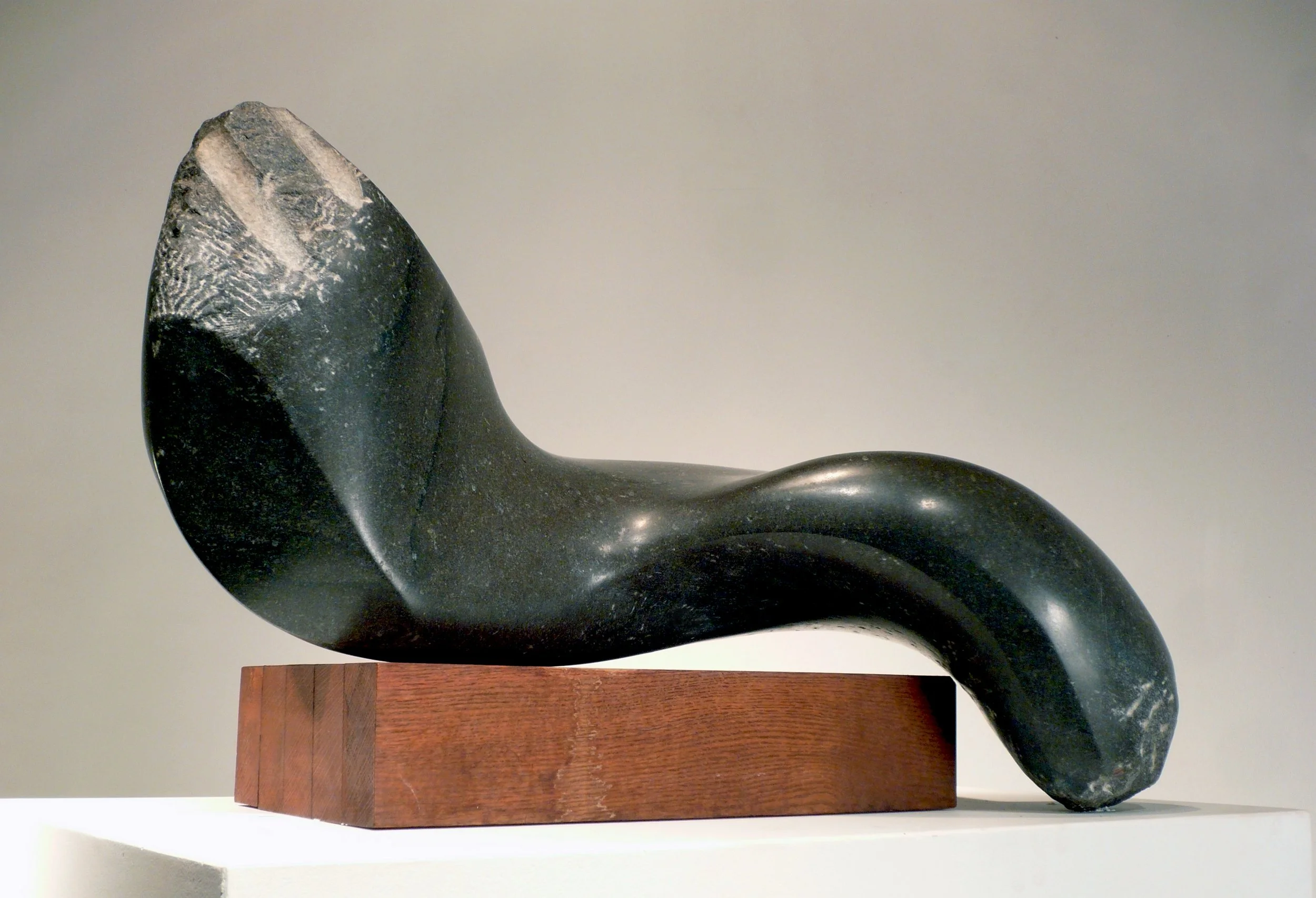 Image 3 of 4
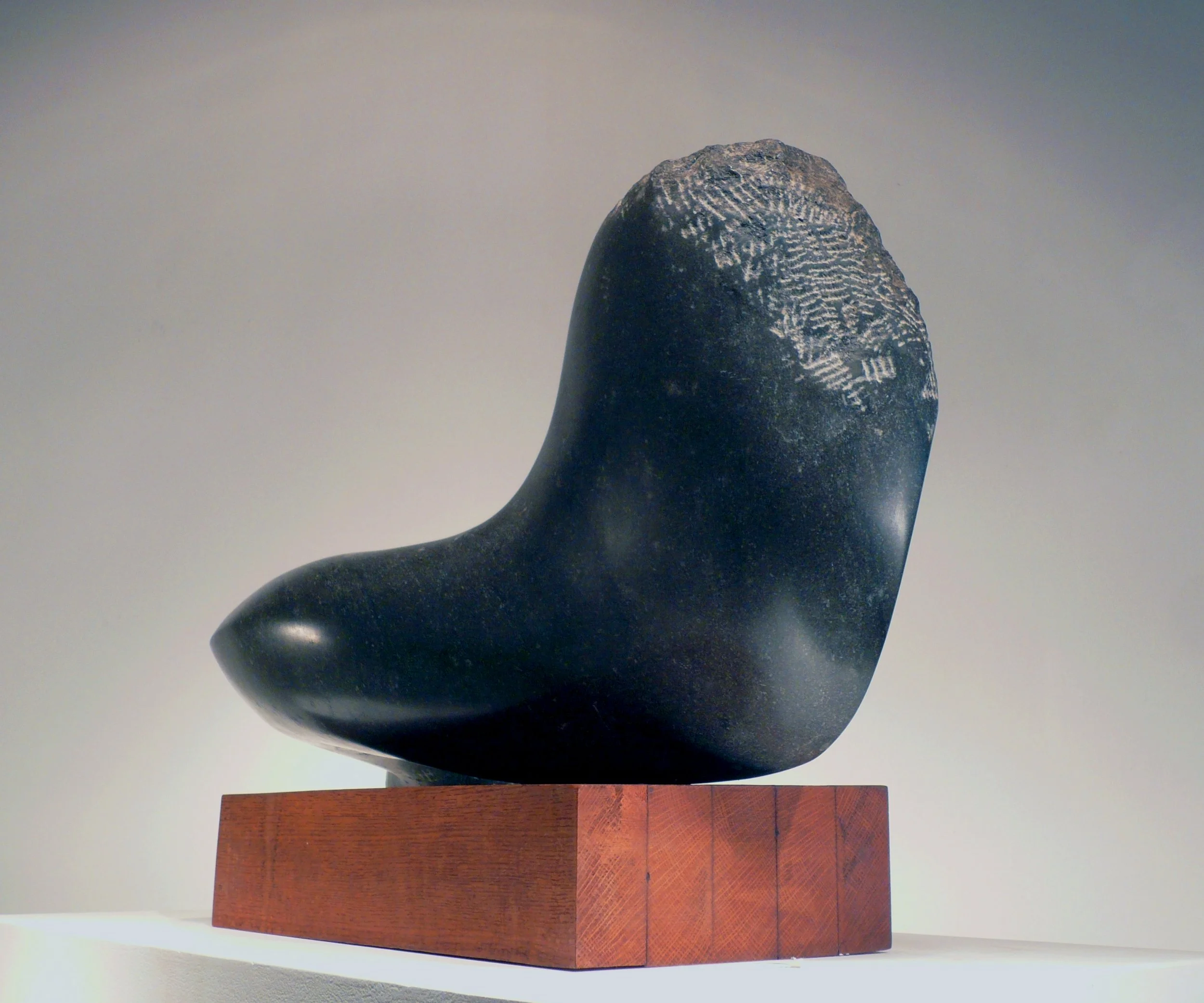 Image 4 of 4
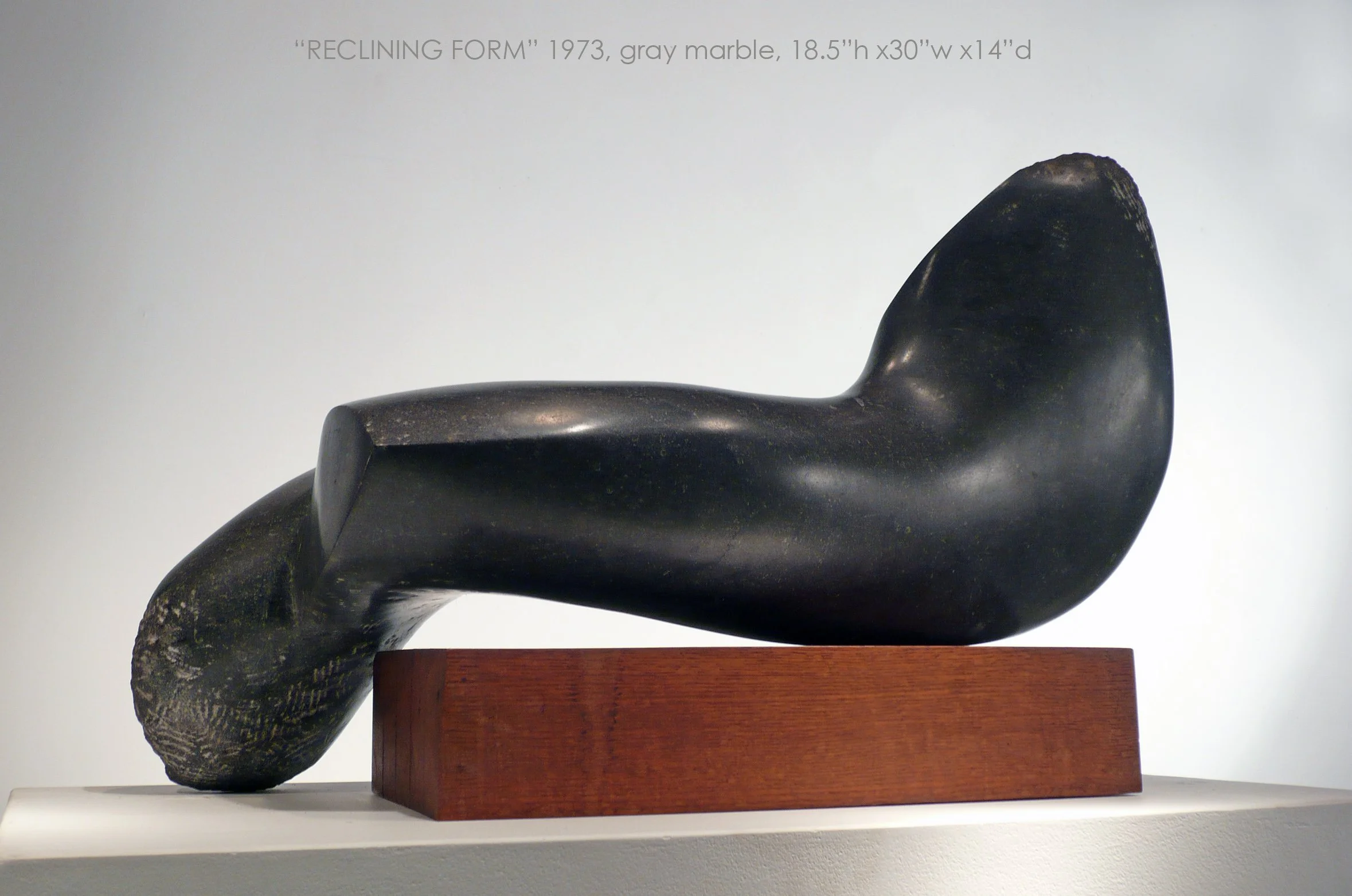
1973, gray marble, 18.5"h x30"w x14"d. Collection of the artist.
Reclining Form was created during the summer of 1973 while I was attending the Blossom Festival School in Cleveland on a full scholarship in sculpture. The work reflects my early interest in the organic abstraction of Jean Arp, Constantin Brancusi, and Henry Moore—particularly Moore’s use of the reclining human figure as a point of departure for abstract form. At the same time, the sculpture shows the emerging influence of Isamu Noguchi in my decision to leave portions of the marble uncarved, specifically the quarry drilling channels and chisel marks, allowing the stone’s found and unfinished surface and character to become an expressive part of the work.
Although I did not fully recognize its significance at the time, this simple decision marked an important shift in my relationship with stone—from seeing it primarily as a material to be shaped toward allowing its inherent form, texture, and history to participate in the sculpture. This developing awareness of the nature of the material would become increasingly central to my work and, several years later, find fuller expression in my tensegrity or Brute Sculpture and the Nature of Stone Series.
1973, gray marble, 18.5"h x30"w x14"d. Collection of the artist.
Reclining Form was created during the summer of 1973 while I was attending the Blossom Festival School in Cleveland on a full scholarship in sculpture. The work reflects my early interest in the organic abstraction of Jean Arp, Constantin Brancusi, and Henry Moore—particularly Moore’s use of the reclining human figure as a point of departure for abstract form. At the same time, the sculpture shows the emerging influence of Isamu Noguchi in my decision to leave portions of the marble uncarved, specifically the quarry drilling channels and chisel marks, allowing the stone’s found and unfinished surface and character to become an expressive part of the work.
Although I did not fully recognize its significance at the time, this simple decision marked an important shift in my relationship with stone—from seeing it primarily as a material to be shaped toward allowing its inherent form, texture, and history to participate in the sculpture. This developing awareness of the nature of the material would become increasingly central to my work and, several years later, find fuller expression in my tensegrity or Brute Sculpture and the Nature of Stone Series.