Image 1 of 1
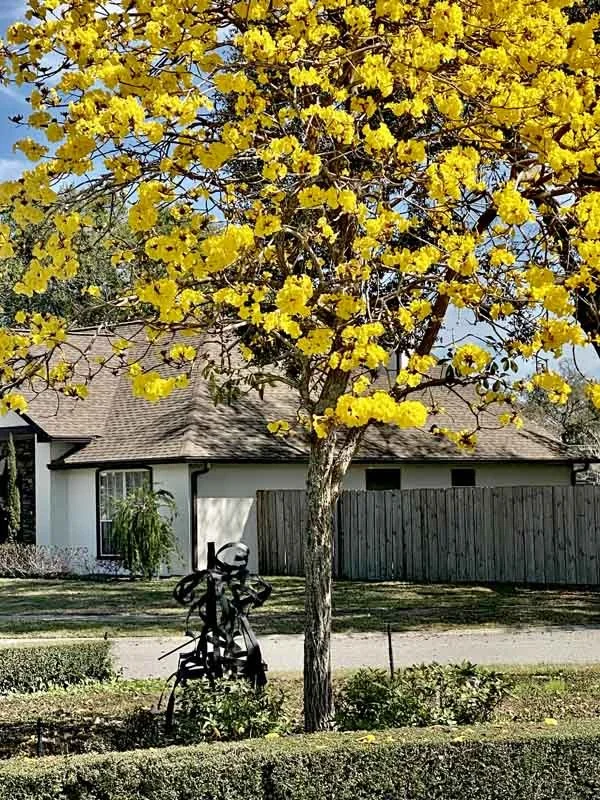
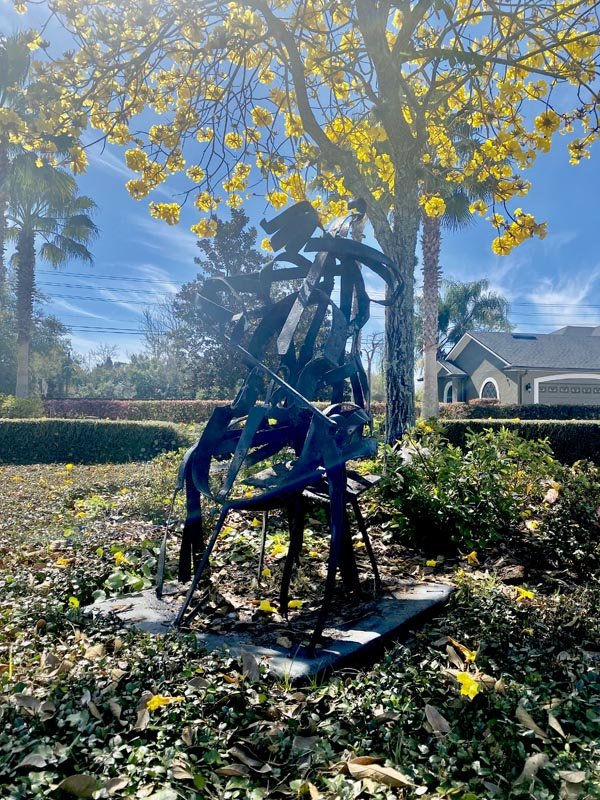
January 1972. Welded steel. Dimensions: 60 × 40 × 40 in (152 × 102 × 102 cm).
The Cellist, 1972
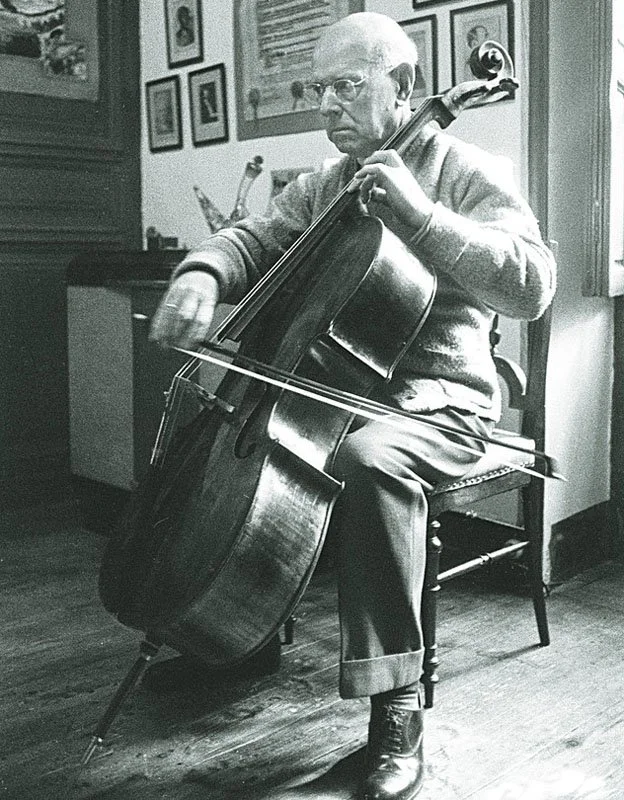
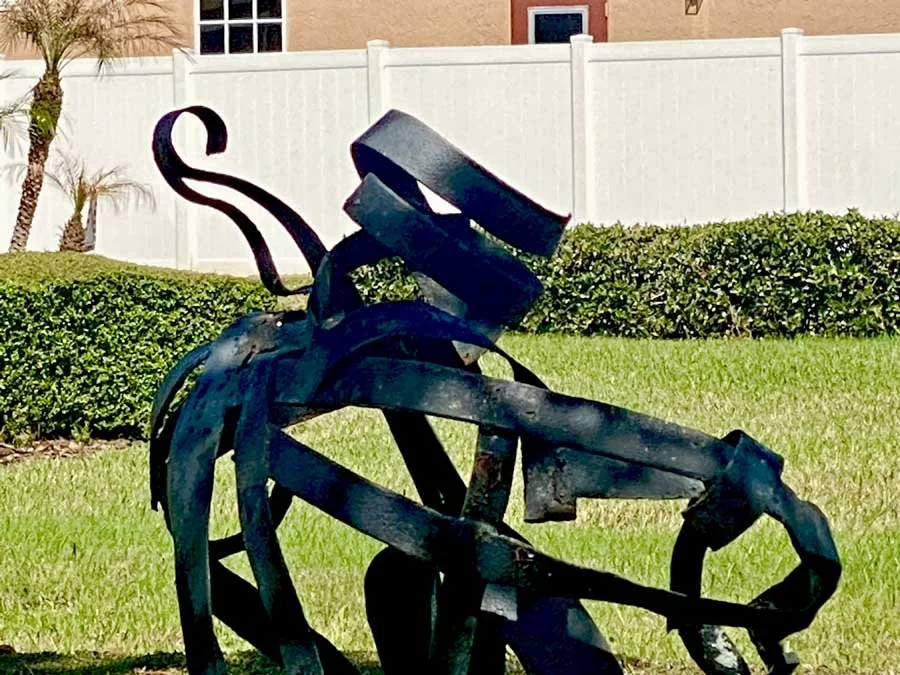
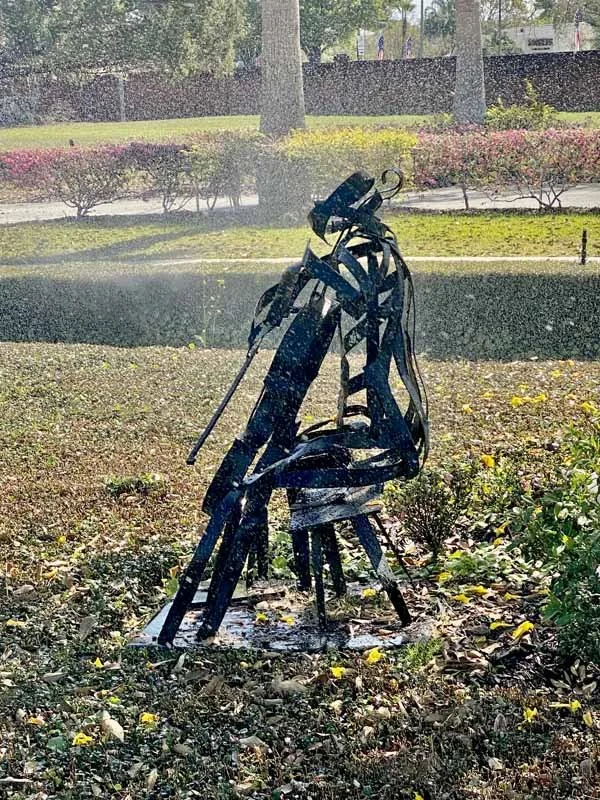
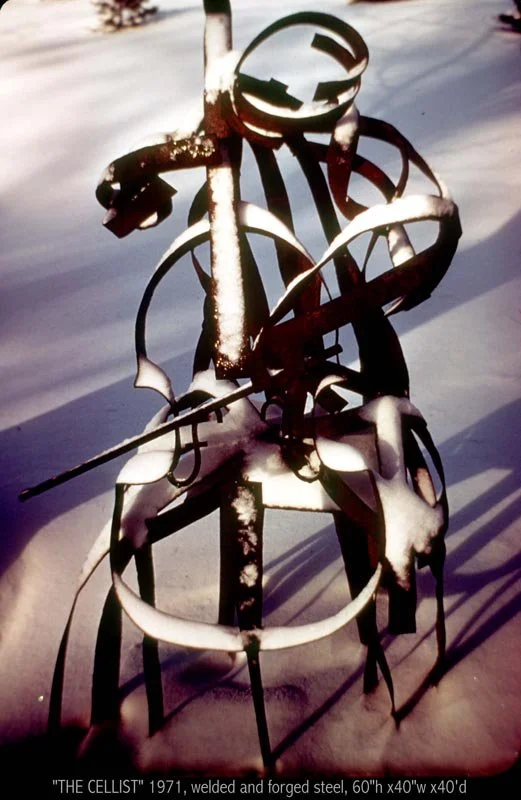
The Cellist was my second welded-steel sculpture and my first life-size figurative work, created as an undergraduate in 1972 as an homage to the great Catalan cellist Pablo Casals. Working from strips of steel torch-cut from rusted plate, I forged, bent, and welded the material into an open representation of the seated musician, his cello, and bow. Rather than modeling a solid figure, I used the steel almost as lines drawn in space, allowing the surrounding space to move through and become part of the sculpture.
Although clearly figurative, The Cellist already reveals interests that would continue throughout my work: movement, gesture, open structure, and the expressive possibilities of forged steel. The sweeping curves and overlapping linear elements suggest both the physical action of the musician and the rhythms of the music itself. Looking back, I see the piece as an early step toward understanding how steel could be used not simply to describe form, but to give movement and energy a physical presence.
January 1972. Welded steel. Dimensions: 60 × 40 × 40 in (152 × 102 × 102 cm).
The Cellist, 1972
The Cellist was my second welded-steel sculpture and my first life-size figurative work, created as an undergraduate in 1972 as an homage to the great Catalan cellist Pablo Casals. Working from strips of steel torch-cut from rusted plate, I forged, bent, and welded the material into an open representation of the seated musician, his cello, and bow. Rather than modeling a solid figure, I used the steel almost as lines drawn in space, allowing the surrounding space to move through and become part of the sculpture.
Although clearly figurative, The Cellist already reveals interests that would continue throughout my work: movement, gesture, open structure, and the expressive possibilities of forged steel. The sweeping curves and overlapping linear elements suggest both the physical action of the musician and the rhythms of the music itself. Looking back, I see the piece as an early step toward understanding how steel could be used not simply to describe form, but to give movement and energy a physical presence.